
A shade net for flower farms protects bloom quality, not by blocking the most sun. Kenya’s flower belt around Lake Naivasha grows roses and summer flowers for export. Those petals scorch under hard Rift Valley light long before the plant itself suffers. Growers here therefore reach for lighter cloth than a vegetable farm would. They also fit it with the same care they give their irrigation. This guide covers the grades that suit blooms. Then it covers where the cloth sits on a flower block, and what to confirm before you order.
Shade Net for Flower Farms: Start at 30-50%
Most flower blocks typically run between 30% and 50% shade. That band cuts petal scorch and heat stress. Yet it still passes the light a rose needs to build a strong stem and hold its colour. Go heavier and you trade one problem for another. The air cools, but stems soften and blooms pale. The two grades below are the working range for cut flowers. The third is listed so you can see why it is usually wrong for blooms.
| Grade | What it does for a flower block | Watch-out |
|---|---|---|
| 30% shade net | Light touch for roses and summer flowers in mild weather; keeps light high for stem strength and colour. | May not be enough at the peak of a hot, dry season. |
| 50% shade net | The hot-season workhorse; halves the light to hold petal quality through strong sun. | Watch stem length and colour if left up all year. |
| 75% shade net | Too heavy for most blooms; reserved for nursery propagation and heat-sensitive non-flower crops. | Starves flowering stems of the light they need. |
A grade is simply the fraction of sunlight the cloth stops. A 30% cloth therefore passes 70% of the sun through. Extension guidance puts it plainly: a 30% shade cloth reduces the sunlight reaching plants by 30% (UC ANR on shade cloth). If you are unsure where your block sits in that band, read our guide to choosing a shade net percentage. It walks through the crop-by-crop logic.
Shade Net for Flower Farms Inside Greenhouses
On many Naivasha farms the shade net never sees open sky. Instead it hangs inside a greenhouse structure, above the crop and below the polythene roof. The film alone, however, traps heat on a bright day. A lighter cloth hung under the film takes the edge off that trapped heat. It does this without darkening the house the way an external cover would. It also shields the film from direct sun, which slows the plastic’s ageing.
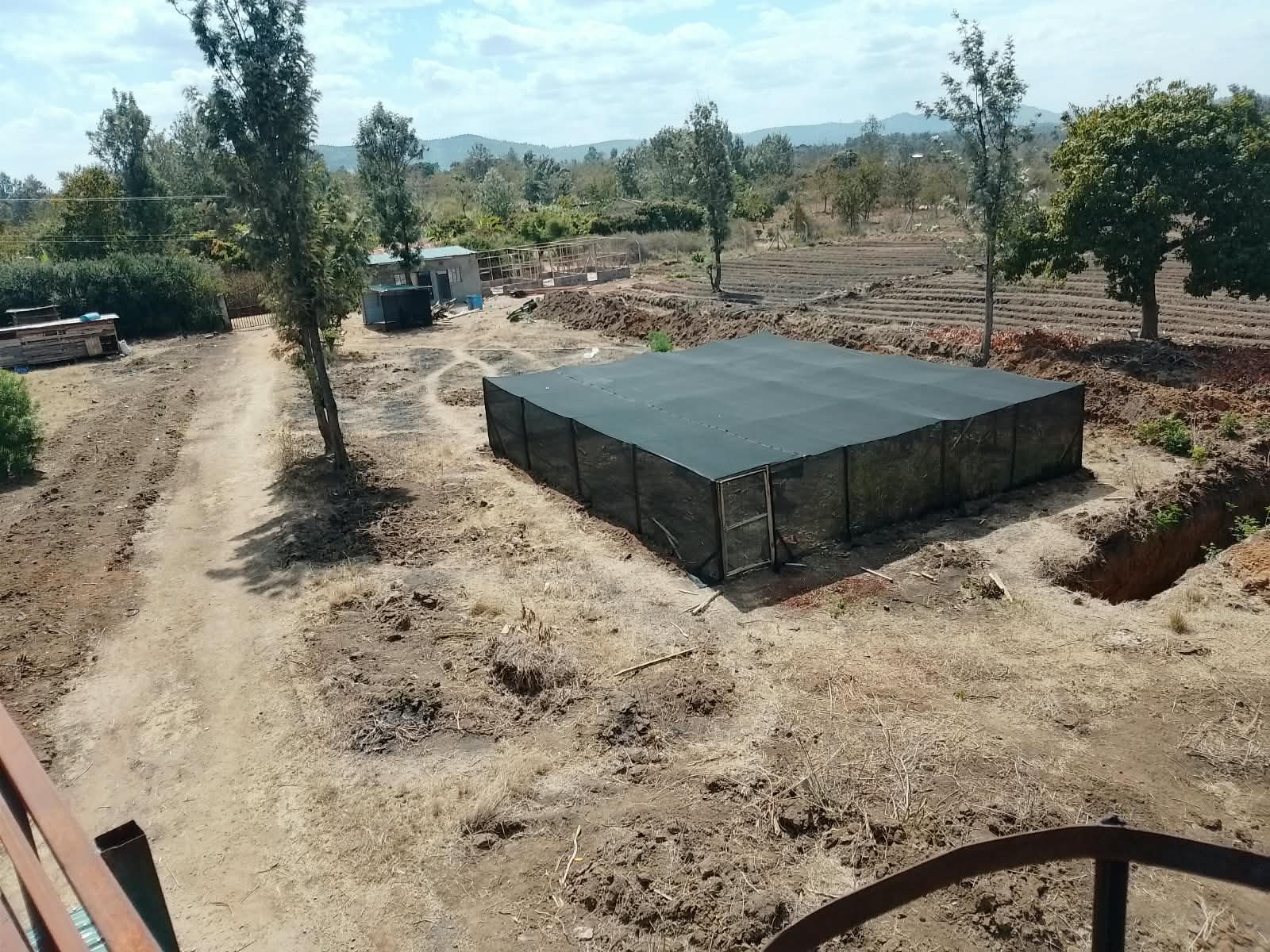
Inside a house, fix the cloth to the existing frame. Leave a small air gap above the crop so hot air can still move. Also keep it clear of the film itself. Touching plastic transfers heat straight to the cloth and can mark it. For the wider picture of shading a covered structure, see our companion guide to shade nets for greenhouses. It covers mounting over and inside film in more detail.
Shade Net for Flower Farms on Open Beds
Not every flower block is under film. Summer flowers and hardier ornamentals often grow on open beds. There the shade net for flower farms becomes the roof of a simple net house, or a flat cover on posts. The cloth then does two jobs at once. It moderates sun, and it breaks the wind that tears petals and dries the soil. On open ground the side walls matter as much as the roof. A Rift Valley gust arrives sideways, not from above.
Build the frame high enough to walk and pick under. Then tension the cloth so it does not flap and chafe against stems. A sagging panel, for example, pools rain and sheds it onto one row. As a result, growth comes out uneven. Our shade net installation page sets out the framing and fixing steps we use on flower blocks.
Wind Matters as Much as Sun in the Rift Valley
Growers new to Naivasha often budget for sun and forget wind. Open Rift Valley sites funnel steady gusts. Those gusts bruise petals, snap tender stems and pull moisture from the crop faster than roots replace it. A knitted shade net with closed side walls slows that wind to a drift instead of a blast. Meanwhile its open loops still let air through, so the block does not become a humid pocket. That balance is why knitted cloth beats a solid sheet on a windy site.
If your block sits on an exposed ridge, treat the windward wall as part of the shade design. A roof alone leaves the sides open, and the crop still takes the full gust. Where pests are the bigger threat than wind, a dedicated insect net with finer mesh is the right tool. Our shade net vs insect net comparison explains which cloth answers which problem.
Keeping Bloom Colour Uniform Across a Block
Export buyers grade on consistency, and patchy shade produces patchy colour. For example, imagine one end of a block under 30% cloth and the other under 50%. It will ship two different shades of the same variety. The lighter end may scorch while the darker end stays pale. A shade net for flower farms keeps bloom colour uniform only when it shades the whole block evenly. Only then can you pack it as one grade.
That means one grade per block, joined panels tensioned evenly, and no gaps. A torn seam that lets raw sun through will show in the pack. Walk the block at midday and look for hot spots on the crop, not just on the cloth. Where a block spans a slope or a wind shadow, split it into two separately shaded sections. Do not stretch one grade across both.
Shade Net for Flower Farms: Knitted or Woven
Flower growers almost always choose knitted HDPE over woven. The knitted loop structure runs true when cut. It does not unravel at a torn edge, and it sheds wind through its open loops instead of catching it like a sail. Woven cloth, in contrast, is cheaper and heavier. However a tear propagates along the tape, and a gust loads the whole frame. For a crop whose value sits in an unbruised petal, the knitted cloth is the safer spend.
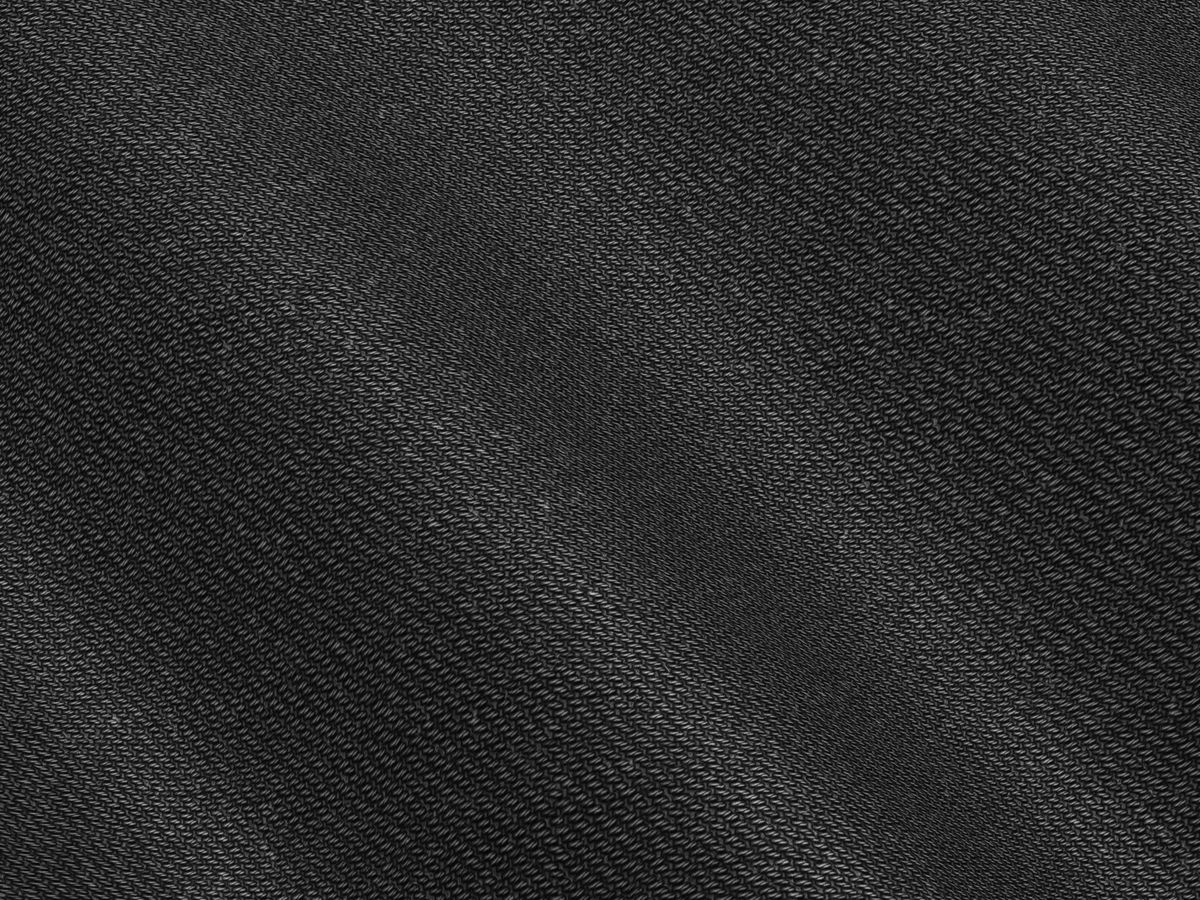
Next comes colour. Black is the standard for flowers because it shades evenly without tinting the light. Green is used where the structure should blend into surrounding planting. White and aluminized cloths exist for heat reflection, but they are special-order lines, not shelf stock. If you want the full construction, material and colour taxonomy before you pick, read our guide to the different types of shade nets. It sorts every option side by side.
Shade Net for Flower Farms Over Polythene
Shade net and greenhouse polythene are partners, not alternatives. The film keeps rain off the petals and holds humidity. The shade net keeps the film’s trapped heat from cooking the crop. Used alone, however, neither does the whole job. Film without shade overheats on bright days, and shade without film lets rain mark the blooms. Most established flower blocks therefore run both. The shade sits either under the film inside the house, or as a separate roof over open beds.
When you combine them, leave an air gap between film and cloth. The two layers then ventilate instead of sealing a hot pocket. Also remember the shade is seasonal on many farms. It goes up for the hot months and comes down when light is scarce and stems need every hour of sun. For the whole-farm agronomy behind that seasonal call, the corporate shade net farming guide covers crop-by-crop shading across the farm.
Fitting, Widths and Supply for a Flower Block
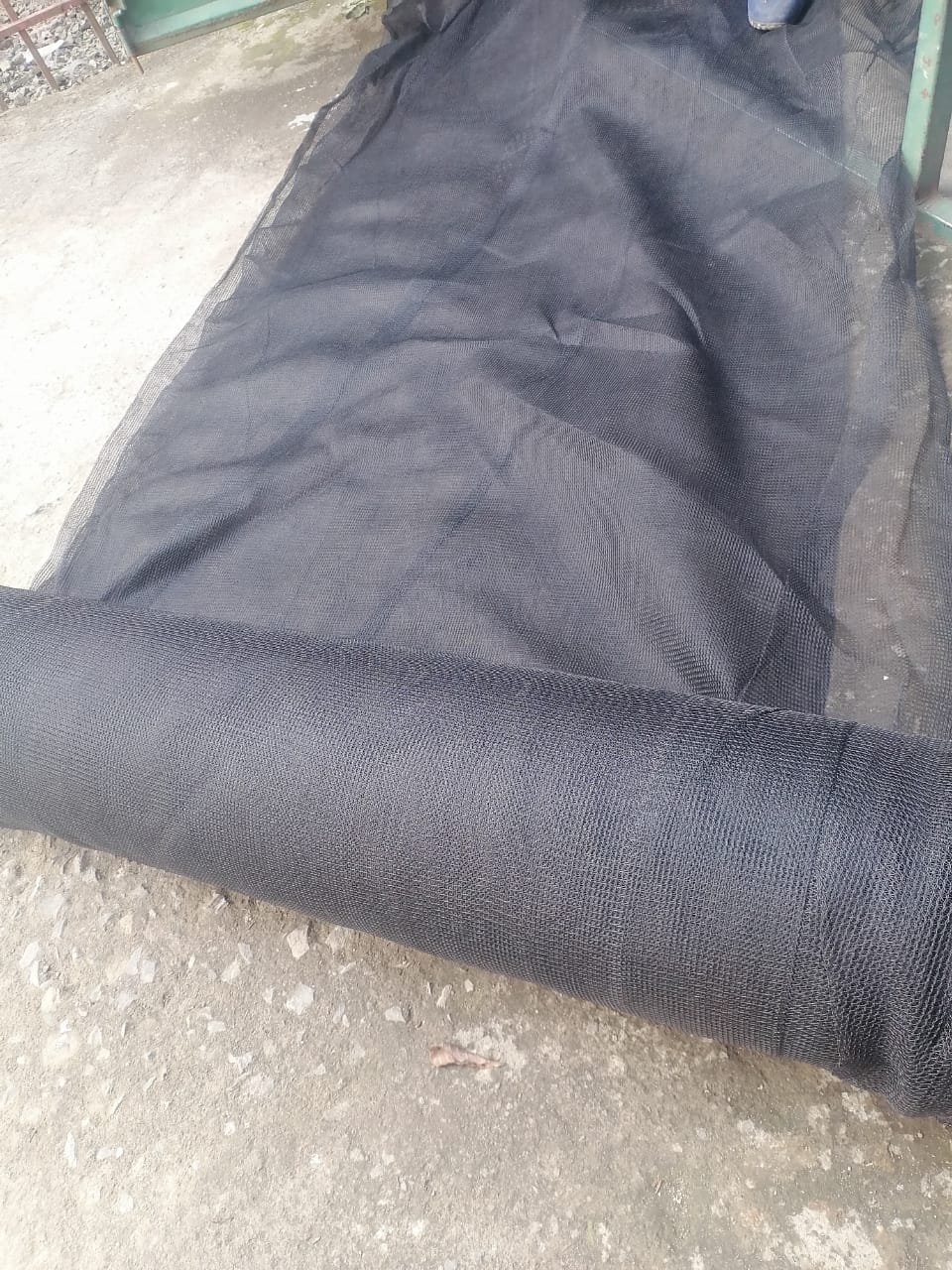
We supply knitted HDPE in black and green, in the 30% to 90% grade range. We cut every shade net for flower farms to the width your block needs. Rolls are 4 m wide and come in 50 m or 100 m lengths. A 4 m × 50 m roll covers 200 m², and a 100 m roll covers 400 m². We join panels to cover wider houses without a seam over the crop. The cloth is UV-stabilised and rated for 3-5 years of outdoor service. A flower block therefore re-cloths on a planned cycle rather than after a failure.
Our crew measures, frames and fits countrywide, including the Naivasha flower belt. A grower can therefore hand over the whole block rather than coordinate separate trades. If you are comparing suppliers before you commit, read our notes on where to buy shade nets in Nakuru. They list the checks we ask every buyer to make. The shade net prices page explains how a quote is built. For neighbouring crops on the same farm, the agriculture and horticulture guide and the nursery beds and seedlings guide cover the grades those blocks need.
Shade Net for Flower Farms: Frequently Asked Questions
Which shade net for flower farms grade suits roses?
Start at 30% in mild weather and move to 50% through the hot season. Roses need enough light to build a strong stem and hold colour. Heavier cloth usually costs more than it saves. Instead, watch the crop, not the calendar. If petals scorch at midday, step up. If stems stretch and colour fades, step down.
Can I hang shade net inside a greenhouse?
Yes, and on many flower farms that is the preferred position. Hung under the film with an air gap above the crop, it removes trapped heat without darkening the house. Keep it clear of the plastic so heat does not transfer straight into the cloth.
Does shade net stop wind damage?
It slows wind rather than stopping it. Knitted cloth with closed side walls turns a gust into a drift while still letting air pass. That protects petals without sealing the block into a humid pocket. On an exposed ridge, treat the windward wall as part of the design.
Will shade change my bloom colour?
Even shade keeps colour uniform; patchy shade does the opposite. One grade per block, joined and tensioned evenly, lets you pack a block as a single colour grade. However heavy shade left up all year can pale blooms. So review the grade each season.
Do I still need polythene if I add shade net?
Usually yes. The film keeps rain off the petals and holds humidity. The shade controls the heat the film traps. They answer different problems, so most flower blocks run both rather than choosing between them.
Send These Details for a Quote
Tell us the crop and variety, the block size in metres, and whether it sits under film or on open beds. Add your site’s wind exposure. With those four facts we can specify a grade, a width and a fixing method. Then we deliver and fit countrywide from our Nakuru counter on George Morara Road. Call or WhatsApp us on +254 728 163329, or write to info@shadenetsuppliers.co.ke. You can also send the details through our contact page for a written quote. Finally, browse the full shade net range before you write.