
ShadShade net vs insect net is the question every grower asks at the counter. Two similar rolls of black mesh sit side by side. Both are UV-stabilised HDPE netting in look-alike rolls. However, they do opposite jobs. One filters light, the other blocks pests.
Pick the wrong one and you pay for a problem you do not have. For example, a shade net will not stop aphids. Likewise, an insect net will not cool a scorching canopy. This guide sets the two side by side so you buy for the problem in front of you.
Shade Net vs Insect Net: The Core Difference
The job is the first difference. A shade net cuts the light and heat reaching the crop. An insect net keeps the mesh open to light but closed to pests. Therefore, the shade net vs insect net choice starts with one question. Is your problem the sun, or is it insects?
Everything else follows from that answer. The weave, the light figure and the price all serve the job. Specifically, a shade net is rated by how much sun it removes. Meanwhile, an insect net is rated by the smallest pest it keeps out.
Shade Net vs Insect Net: Mesh and Weave
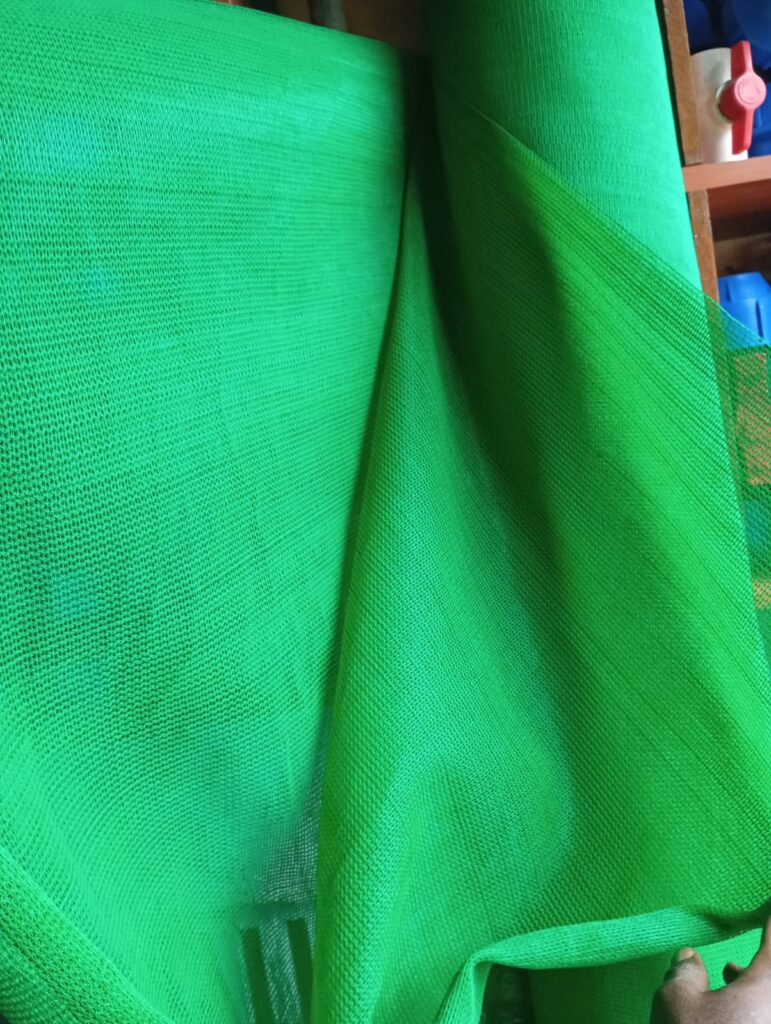
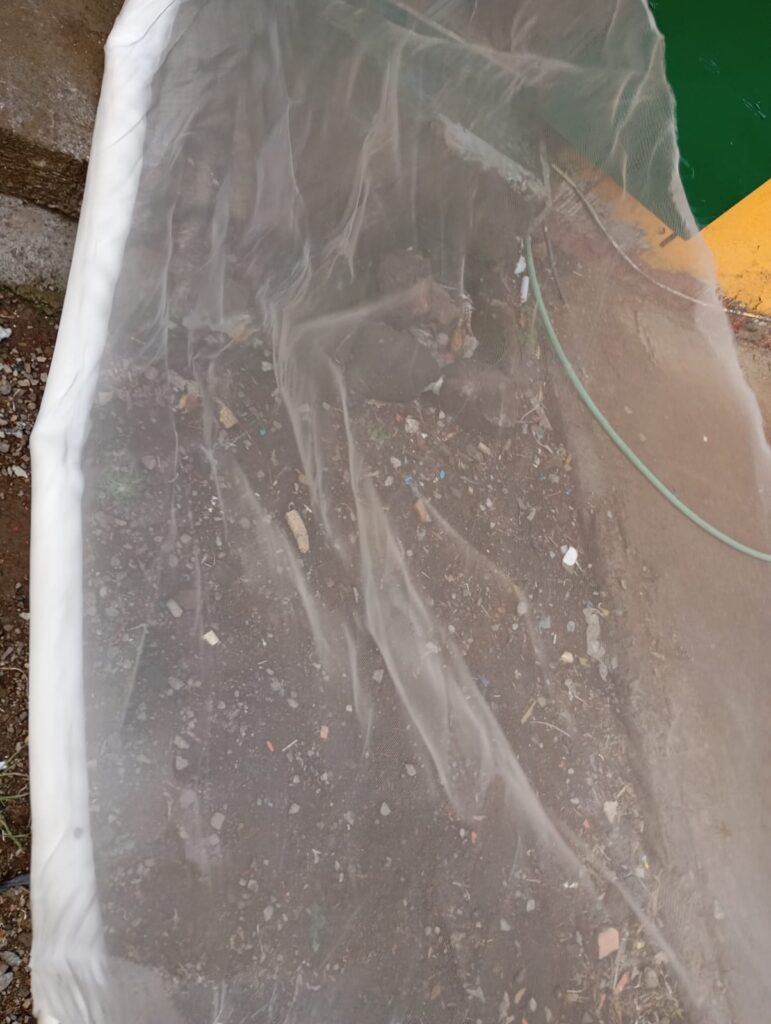
Mesh size is the second difference. A shade net is a coarse knit with visible gaps. Hold it to the sky and you see the loops. In contrast, an insect net is far finer and almost see-through. The gaps are too small for most pests to pass.
Extension guidance describes insect netting as a see-through polyethylene mesh. For instance, the smallest mesh grades exclude thrips, the tiniest common pest. As a result, mesh, not colour or roll size, is the first check when you buy. Our shade net types guide shows the knits side by side.
Shade Net vs Insect Net: Light and Airflow
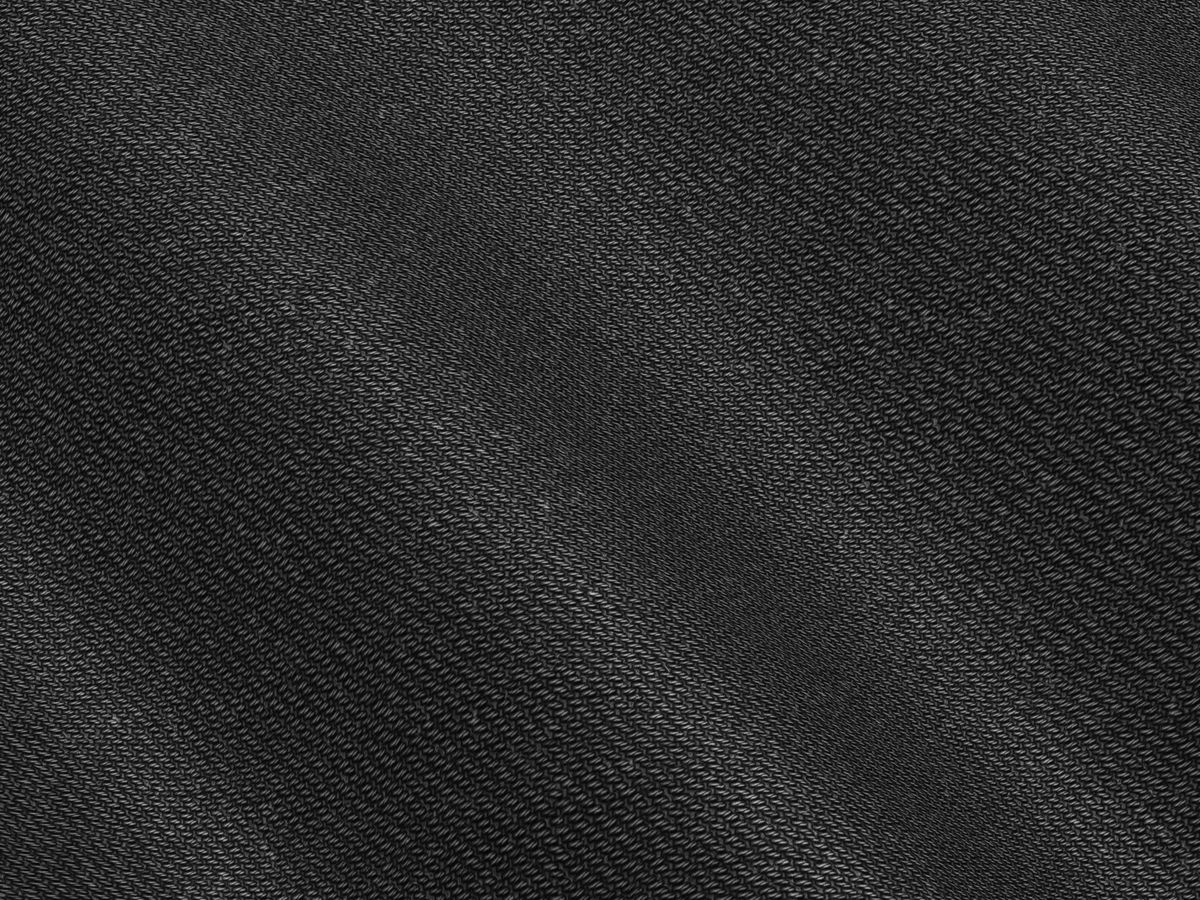
Light is the third difference. A shade net removes a set share of the sun. We stock it in 30%, 50%, 75% and 90% grades. However, an insect net removes almost none. Our insect net lets around 95% of sunlight through.
Airflow differs too. The open shade knit passes air freely. Meanwhile, the finer insect mesh still passes air and rain, yet it slows the wind. Neither seals a structure the way plastic film does.
Shade Net vs Insect Net: Side-by-Side Table
Here is the short answer to shade net vs insect net. The sections above give the reasoning.
| Feature | Shade net | Insect net |
|---|---|---|
| Main job | Cut light and heat | Exclude insect pests |
| Mesh | Coarser knit, visible gaps | Very fine, see-through |
| Light through | 10-70% (30-90% shade grades) | Around 95% |
| Stops | Sunscorch, heat stress, water loss | Aphids, whitefly, thrips, fruit fly, leaf miners |
| Effect on spraying | None directly | Cuts pesticide use |
| Typical use | Over the crop or roof | Sides and openings of a net house |
What Each Net Solves
Each net answers a different problem. Shade net fights heat. It cuts sunscald on fruit and leaves. It lowers the canopy temperature at midday. It also slows water loss from the soil. Finally, it buffers wind and hail.
Extension guidance notes that a 30% black shade cloth eases heat stress while leaving enough light. The same guidance keeps the sides about 30 cm to 90 cm off the ground to catch the afternoon sun. Conversely, insect net fights pests. It keeps out aphids, whitefly and thrips, plus fruit fly and leaf miners. Because the barrier is physical, it cuts pesticide use and residue. That matters for export produce. Yet it leaves the light almost untouched.
Which One Do You Need?
Match the net to the problem. First, if heat, sunscorch or water loss is the issue, choose shade net. Pick the grade for your crop. Our percentage chooser walks through that.
If insect damage or heavy spraying is the issue, choose insect net. Our insect nets page covers the mesh and uses. Thus, the shade net vs insect net decision is really a diagnosis. Name the problem first, then buy the net that fixes it.
Using Both Together
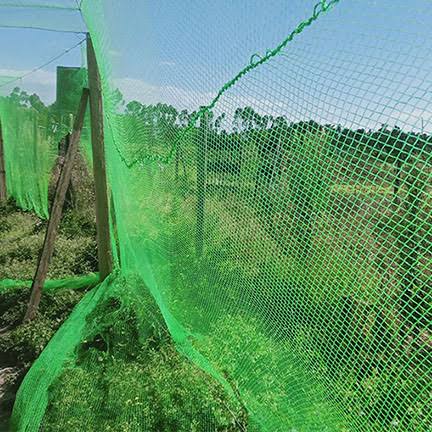
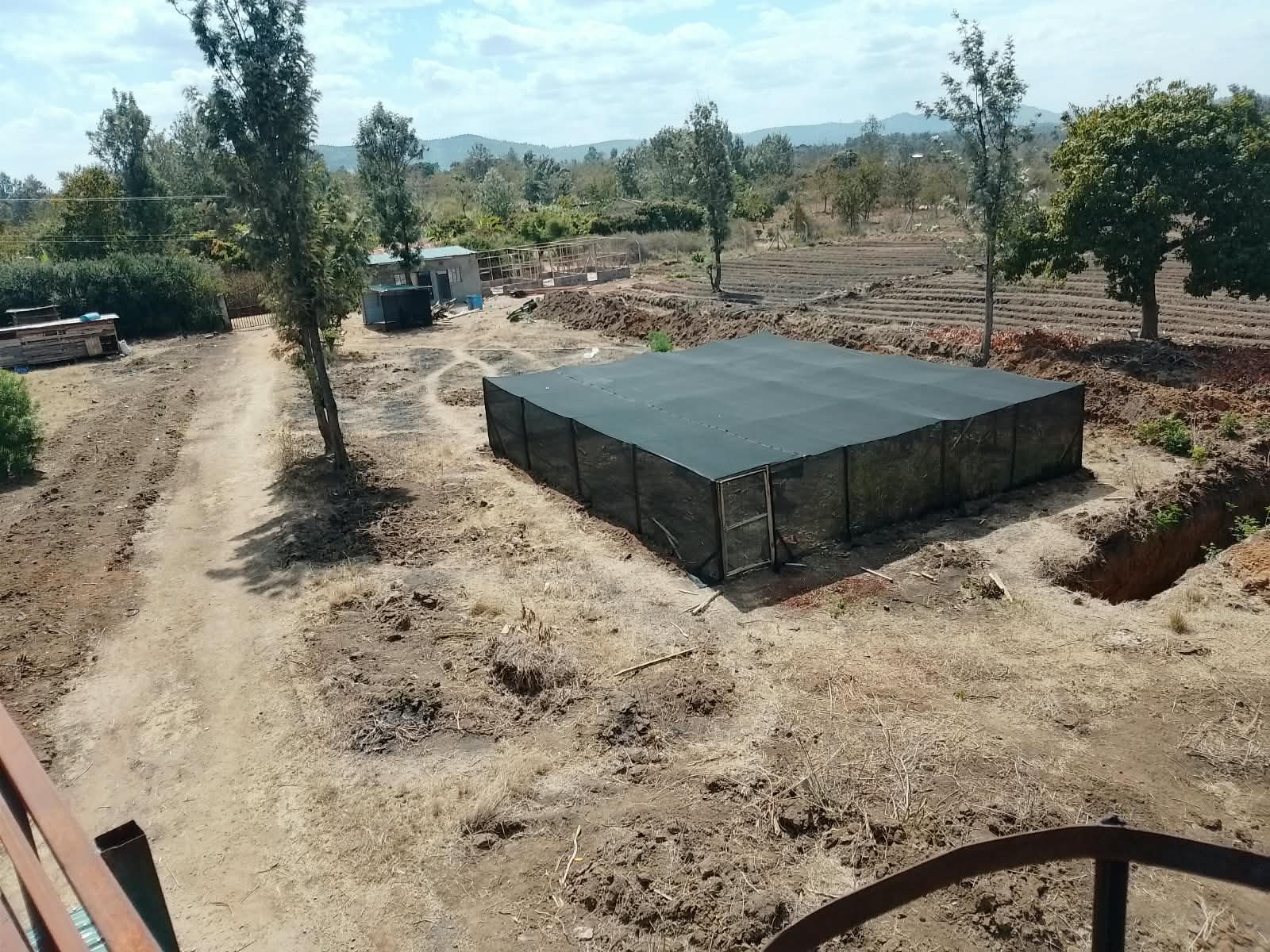
Some structures run the pair. For example, a greenhouse can use both nets at once. Insect mesh covers the sides and openings. It vents air while it keeps pests out. Then shade cloth sits on the roof. It takes the peak sun off the canopy.
In practice, the shade net vs insect net pair is not always a choice. In a net house the two jobs sit on different faces. Our greenhouse shading guide shows the layout.
Shade Net vs Insect Net: Buying the Right Roll
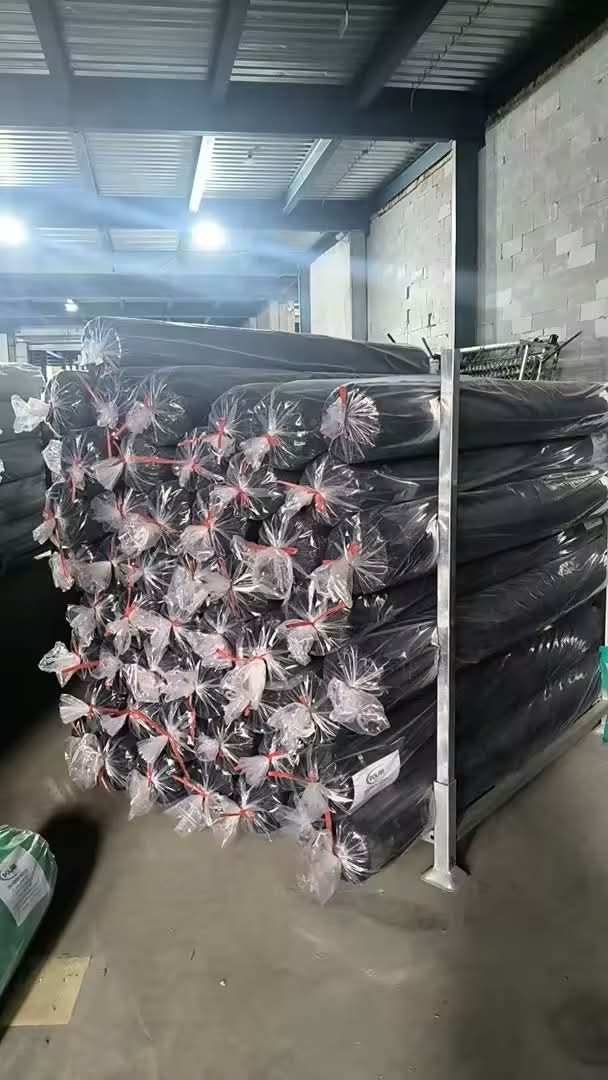
Both nets ship in set widths. Shade net comes in 2 m and 4 m widths. We cut it from 50 m and 100 m rolls in four grades. Insect net comes in its own fine-mesh rolls. Therefore, the shade net vs insect net job decides which roll you order.
Tell us the crop and the problem, and we confirm the mesh and grade before you order. Both nets are UV-stabilised for 3 to 5 years. Browse shade nets or read our supplier checklist before you buy.
Common Mistakes When Choosing
Five errors come up again and again.
- Buying shade net to stop insects, since pests walk through the gaps.
- Buying insect net to cool a canopy, which still scorches at midday.
- Judging by colour or roll size instead of mesh and light.
- Sealing a net house too tight, so humid heat breeds disease.
- Skipping the UV rating, because cheap cloth fails in the first season.
Frequently Asked Questions
Short answers to the questions we hear most.
Is insect net the same as shade net?
No. They do opposite jobs. Shade net cuts light and heat. Insect net blocks pests and leaves light through.
Can I use insect net as a shade net?
Not really. It lets around 95% of sunlight through, so it barely cools the crop.
Can I use shade net to keep insects out?
Only partly. The coarse knit stops larger pests, but thrips pass through the gaps.
Do greenhouses use both nets?
Yes. Insect mesh on the sides and openings, shade cloth on the roof.
Which net cuts pesticide use?
Insect net. It blocks pests physically, so you spray less.