
Shade nets for greenhouses cut the heat that builds up under film. A greenhouse traps sun, and on a bright Kenyan afternoon the air inside can climb well past what a tender crop tolerates. The net meters that light before it reaches the leaves. This guide covers why a greenhouse needs shade, the grade that suits each crop, where the net goes on the structure, and what to confirm before you order. Our Nakuru counter supplies and fits the net. The same questions work on any seller.
Why a Greenhouse Needs Shade Net
Film lets light in and holds heat. That is the point of a greenhouse in a cool season, but it becomes a problem under strong equatorial sun. Leaf temperature rises, water loss speeds up, and soft growth scorchs. Shade nets for greenhouses lower that peak by blocking a fixed share of direct sun. The crop keeps cooler leaves and loses less water. Therefore the net is a heat tool first and a light tool second. It is not a rain cover and not a pest barrier. Those are separate jobs, covered below.
What Shade Nets for Greenhouses Actually Do
Shade nets for greenhouses are knitted or woven cloth that blocks a set percentage of sunlight. Fitted over the structure, the net does three things. First, it drops leaf temperature so fruit and flowers set instead of aborting. Second, it slows transpiration, so the crop needs less water between irrigations. Third, it stops scorch on tender leaves and bloom. In practice the right grade depends on the crop, the local heat and the structure. A higher percentage blocks more light, but it is not automatically better. Consequently start with what grows inside, not with the biggest number on the roll.
Shade Nets for Greenhouses by Grade
The percentage is the share of sun the cloth is designed to block. The counter carries six grades: 30, 50, 55 and 70 percent, then 75 and 90 percent for the heaviest shade. For most greenhouse fruit and vegetable crops, a light grade is the starting point. Utah State University Extension puts most fruits and vegetables at 20 to 40 percent shade, which on our shelf means the 30% net. Flowers, foliage and seedlings want more. The table gives starting points, not prescriptions. Confirm the grade against your crop and your site before ordering.
| Greenhouse crop | Starting grade | Why |
|---|---|---|
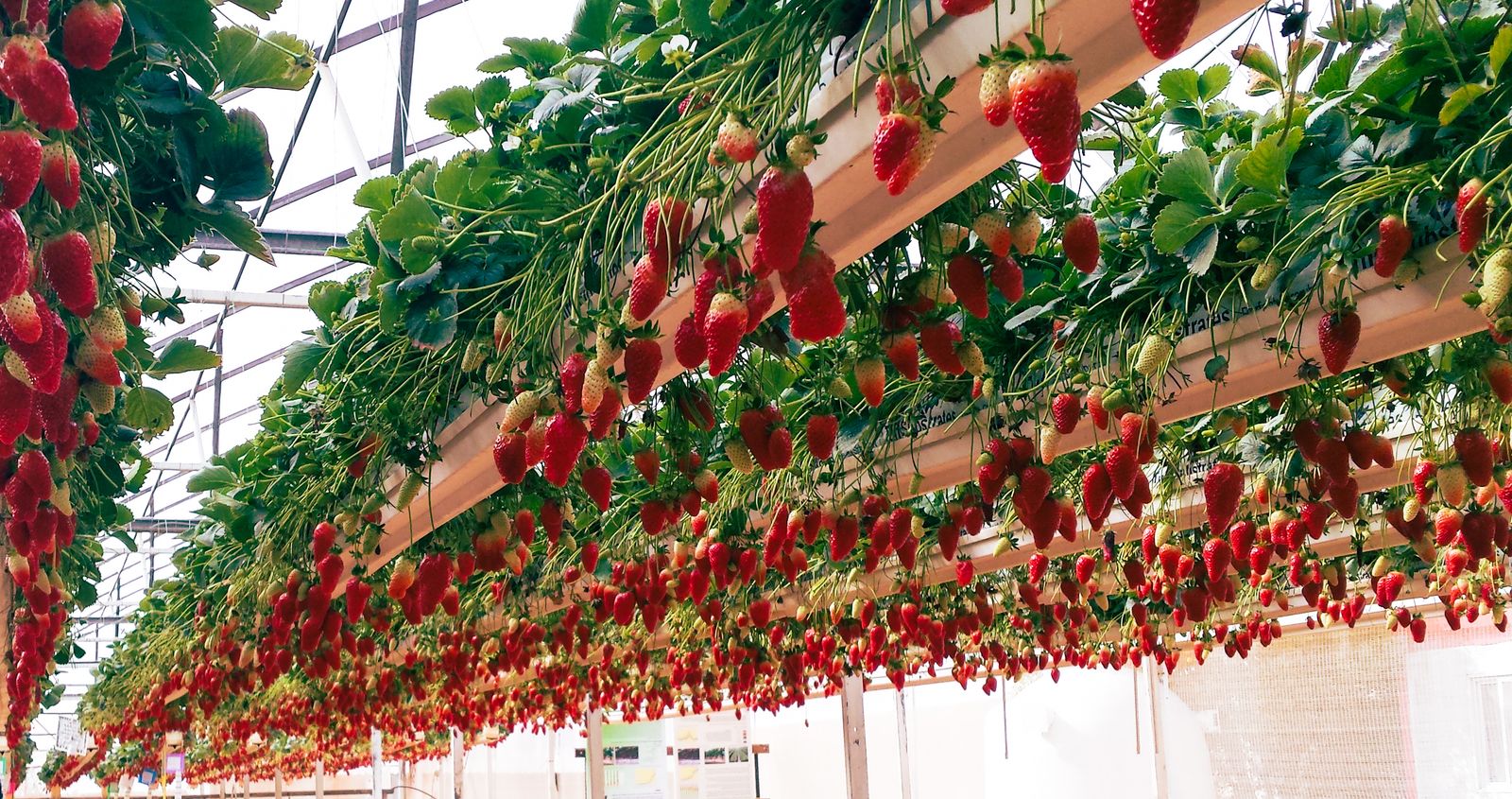
| Tomatoes, capsicum, strawberries | 30% | Heat-loving fruit crops; keep light, cut scorch |
| Lettuce and leafy greens | 30 to 50% | Tender leaves; slow bolting in heat |
| Cut flowers and ornamentals | 50 to 75% | Blooms scorch; diffused light keeps colour |
| Seedlings and nursery beds | 50 to 75% | Young roots; even shade and moisture |
For example, a tomato house under 30% keeps enough light to ripen fruit while taking the edge off midday heat. A flower bench under 75% keeps blooms from burning. The grade pages give the quick reference: 30% shade net, 50% shade net, 75% shade net and 90% shade net. The percentage chooser matches grade to crop.
Where the Net Goes on the Structure
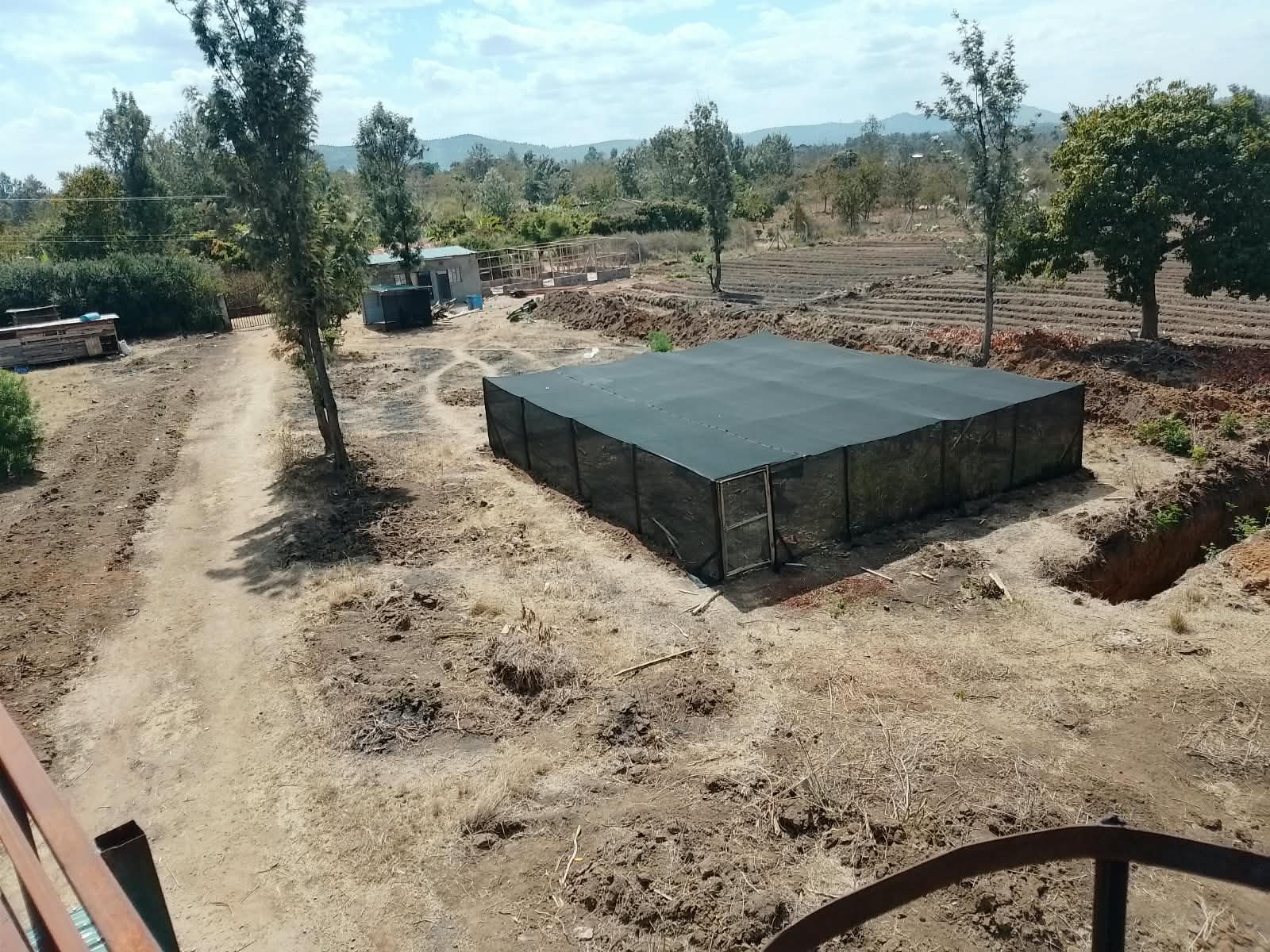
Shade nets for greenhouses mount in three ways, and the choice changes the amount of net and the frame you need. First, over the film: the net is tensioned on a frame above the roof, leaving an air gap over the plastic. Heat escapes through that gap while the cloth filters light. Second, inside: the net hangs under the roof on wires as a shade screen, cutting light at crop level. Third, as a standalone net house: where no film greenhouse exists, a shade-net structure gives shade and free airflow without the heat trap of film.
In addition, the air gap matters more than the grade on a hot site. The gap above the cover lets hot air rise and escape instead of pooling against the leaves. Specifically, a net draped tight on the film loses that gap and runs hotter. Therefore keep the net proud of the roof, and keep the vents clear whichever mounting you choose.
Matching Grade to the Greenhouse Crop
A short crop brief helps the supplier discuss suitable netting. Share what grows inside, the stage of the crop, and how hot the house runs at midday. For instance, a house of tomato transplants needs less shade than a bench of rooted cuttings. Similarly, a strawberry house in a cool highland site may need no shade at all in the wet season, then a light grade in the dry. Shade needs vary with the crop, the location and the season, so brief the counter with those details before you choose. Nursery work has its own grades, covered in our nursery beds and seedlings guide; bloom crops are covered under shade net for flower farms.
Ventilation Comes Before Shade
Shade nets for greenhouses cut light, but the house still needs airflow. However much shade you fit, stale hot air must leave through roof or side vents. Otherwise the house stays humid and warm, and disease follows. Therefore treat shade as one part of cooling, not the whole of it. Keep vents open, space the crop for air movement, and use the net to trim the light load. In contrast, a sealed house under heavy shade can run hotter and wetter than a vented house under a light grade. Accordingly, fix the ventilation first, then choose the grade.
Fitting Shade Nets for Greenhouses: Confirm the Scope
Start by listing the surfaces the net must cover and the frame that will carry it. A roof-only job takes less cloth than a house whose sides are also netted, so measure the roof and each wall as separate spans. Mark the doors, vents and any opening that must stay clear. Then look at the frame: existing posts, wires or hoops decide where the cloth can anchor, and a windy site needs closer fixing points.
If the house is not up yet, flag that early so the crew can tell you what to measure. Let the fitter decide how the cloth is anchored and whether the frame you have in mind will stand up to the site. We do not publish frame dimensions here; those come from a visit to your plot. The shade net installation page explains the fitting service, and the team will confirm whether it reaches your project.
Shade Net or Insect Net for a Greenhouse
Shade nets for greenhouses manage sunlight and heat. Insect net is a different cloth: its tighter mesh keeps pests out rather than cutting light. A single house may wear both, the grade and the mesh chosen separately for the crop and the pest pressure. A flower block, for example, often runs a shade roof over insect-net walls. So do not order shade cloth expecting pest control, or mesh expecting shade. Our insect nets for farms and greenhouses page covers the pest side, and shade net vs insect net sets out the full distinction.
What to Confirm Before You Order
A shelf price and a project quote are not the same number. Pin down the grade, the roll size, how many rolls, the delivery county, and whether the figure is for cloth alone. Our standard rolls run 4 m wide by 50 or 100 m long, and we cut narrower widths for awkward spans. If you want fitting, ask separately whether the frame, fixings, labour and ground prep sit inside the price or beside it. Confirm too how the goods reach you. Current rates live on the shade net prices in Kenya page.
For an odd layout or several bays, send a drawing or a photo with the dimensions written on it. The crew uses that to fix the quantity and the scope, and the written quote carries the final sizes against the rolls we actually stock. A buyer ordering shade nets for greenhouses, for instance, should list the roof span and each wall span apart from one another, and say plainly whether fitting is wanted. That line keeps cloth supply separate from building work.
Shade Nets for Greenhouses: Our Counter
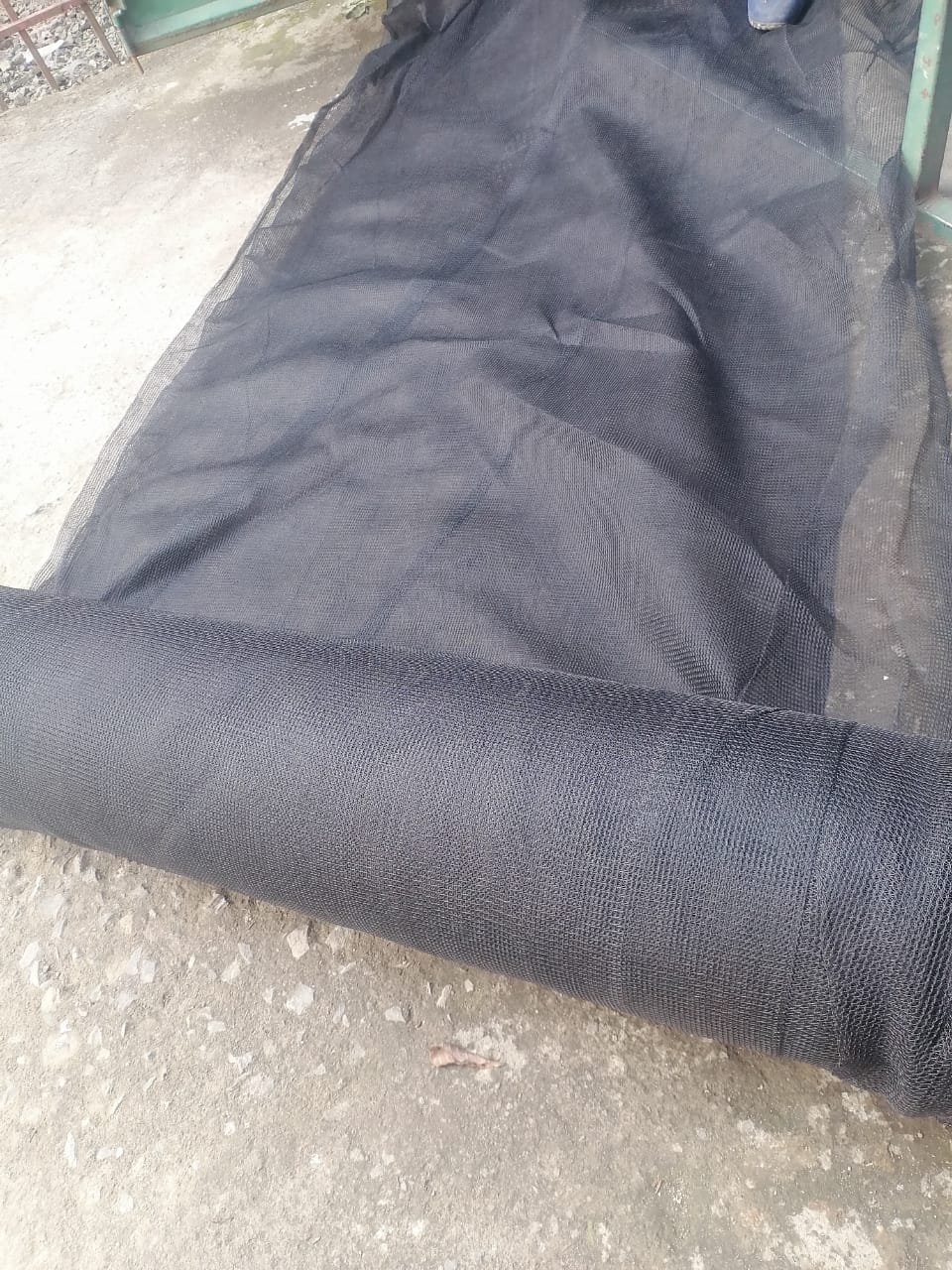
Accordingly, we built the counter to answer the greenhouse job. Black and green net, knitted or woven, lines the shelf from 30 up to 90 percent, and we cut custom widths for odd spans. In addition, each written quote lists the grade, roll size, UV rating, delivery and fitting. The HDPE cloth carries UV stabilisation and a three to five year outdoor life. We deliver countrywide from Nakuru, and the same crew fits the net we supply.
For the seller-side test, read our guide to shade nets suppliers; for a local purchase, see where to buy shade nets in Nakuru. What each grade means is set out on the shade net specification hub. For the wider farm and flower picture, our guide to shade nets for agriculture and horticulture covers the open-field side.
Frequently Asked Questions
What shade percentage should a greenhouse use?
It depends on the crop. Therefore start light for fruit and vegetable crops, around 30%, and heavier for flowers, foliage and seedlings, 50 to 75%. These are starting points; confirm against your crop, your site and the season. More shade is not safer by default: a crop that needs light to ripen will suffer under a heavy grade.
Does the net go over or under the greenhouse film?
Both work. Over the film, keep an air gap above the roof so heat escapes. Inside, hang it as a shade screen on wires and keep the vents clear. Specifically, a net tight against the film loses the air gap and runs hotter, so leave space whichever side you choose.
Will shade net make my greenhouse too dark?
Only if the grade is too heavy for the crop. In practice a tomato or capsicum house under 30% keeps ample light, while a flower bench under 75% keeps blooms from burning. Match the grade to the crop, not to the idea that more shade is always safer.
Can shade net replace insect net?
No. Shade net meters light; insect net excludes pests. They are different cloths for different jobs. However, a greenhouse may use both, for example a shade roof with insect-net sides. Confirm each job separately before you order.
Do you deliver and fit greenhouse shade net?
Tell us the county, the rough span sizes, and if the frame is standing or still to come. We will confirm whether delivery and fitting reach your plot and list what the quote covers. Send those details early so the scope is settled before dispatch.
Booking a Greenhouse Shade Quote
Reach us by call or WhatsApp on +254 728 163329, or email info@shadenetsuppliers.co.ke. Our yard is on George Morara Road, Nakuru. To request a shade net quote, send the crop, the covered area and your fitting choice.
For whole-farm planning, read our sister site’s shade net farming guide. For supply, grades or installation, contact the counter directly. Bring your house measurements and leave with a quote you can build on.