
Seedlings aA seedbed is the weakest point in the whole cropping cycle. A young seedling has no true root system yet. It cannot pull water fast enough to replace what midday sun takes from its leaves. As a result the leaf edge burns and growth stalls. A shade net for nursery beds sits between the seedling and that sun. It cuts the load while light and air still reach the bed.
This page covers the general mechanics any crop’s nursery needs. First, the grade to start at. Second, how high to hang the cloth. Then when to water, and how to harden seedlings off before they leave the bed. For crop-specific rules see our coffee seedling and flower farm pages. The mechanics here apply to vegetables, tree seedlings and ornamentals alike.
What a Shade Net for Nursery Beds Does
The cloth is a filter, not a lid. A knitted HDPE net intercepts a fixed share of incoming sunlight. It also re-radiates less heat onto the bed than bare ground would. Because the mesh stays open, air moves through it and rain passes. The bed therefore does not turn into a humid box. As a result the microclimate at leaf level is cooler and steadier. Expect less scorch, less wilting at noon, and slower drying of the topsoil. That is where the new roots sit. For a nursery this means higher survival between sowing and transplanting. Survival is the number a seedbed business is judged on.
Shade percentage is simply the share of sunlight the cloth blocks. For example, University of Delaware extension notes that a 30% cloth blocks about 30% of the sunlight. That is the usual field recommendation for vegetables (shade cloth guidance). However, a seedbed is not an established field crop. Kenyan nurseries therefore start heavier than that field figure. The percentage on the roll tells you how much light you remove. It does not tell you how hot the bed will feel.
Starting a Shade Net for Nursery Beds at 75%
Most Kenyan nurseries hang a 75% shade net over seed beds and young transplants. That is the working practice for the vulnerable stage. It is heavier than the field-vegetable figure above. Specifically, a seedling with two cotyledons has almost no reserve against scorch. The 75% cloth stays on from sowing until the seedling has several true leaves. By then the root ball holds together when lifted.
From there the shade comes down, not off all at once. As plants harden off you move to a lighter grade or to full sun. The step-down schedule below shows the order. In practice, keeping two grades on hand is cheaper than losing a batch to sudden exposure. Keep a 75% start and a lighter hardening cloth. The percentage chooser explains what each grade removes. Use it if you are unsure which lighter cloth to buy.
How High to Hang the Net Above the Bed
Keep the netting at least 1.5 to 2 m above the bed surface. Specifically, that gap is for airflow. Hot air pooled under a low cloth cooks the seedlings even when the sun is filtered. Moreover, a still, humid layer invites damping-off. With headroom, breeze moves through the mesh. It carries heat and excess moisture away from the leaves. The gap matters as much as the grade. A shade net for nursery beds hung too low still cooks the bed.
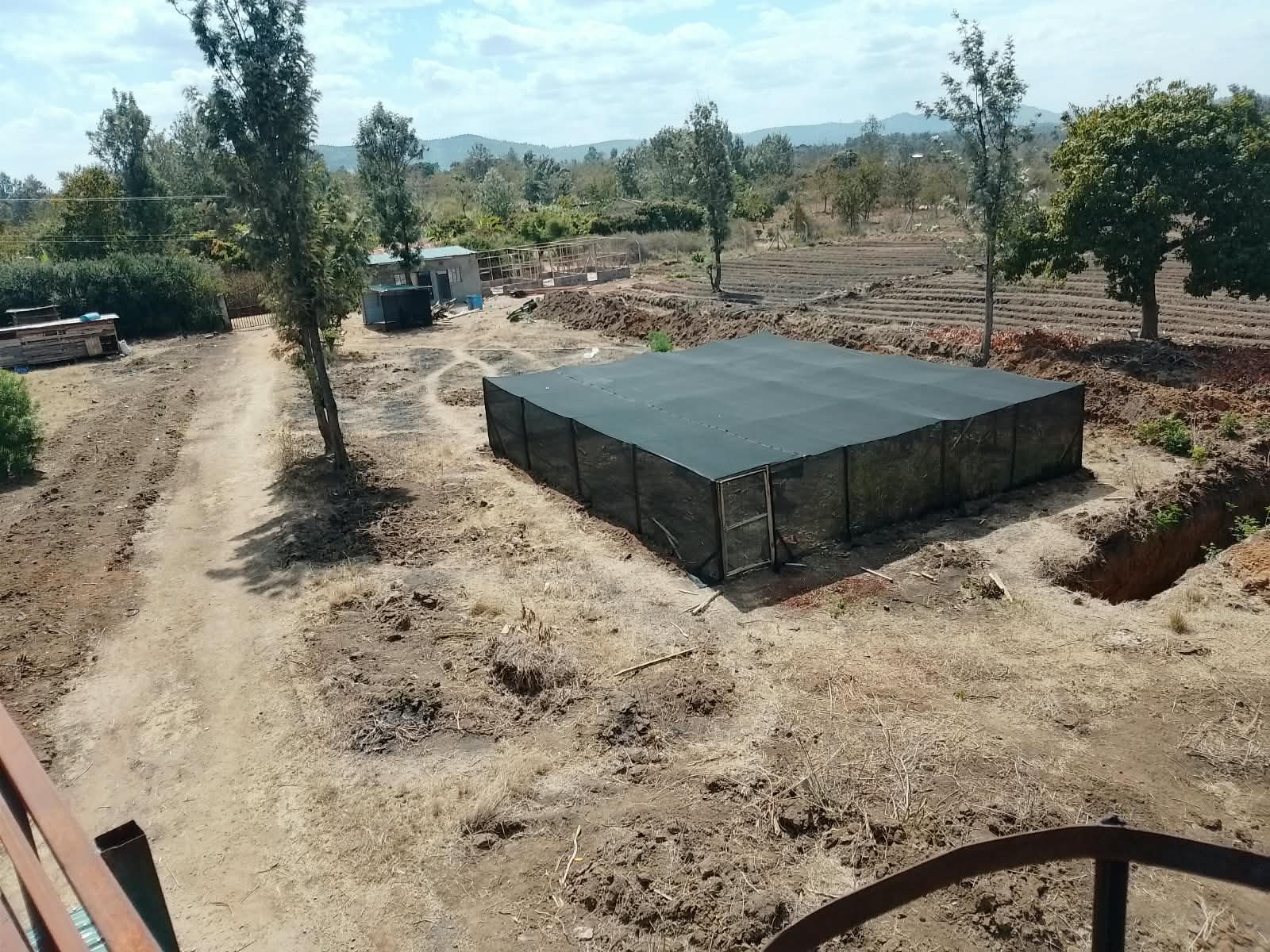
Build the frame to hold that height without sag. Use timber or steel posts at the corners and mid-spans. Add a tensioned wire or rope grid on top. Then tie or clip the cloth to the grid so wind cannot flap it. A sagging panel collects rain and dumps it on one spot of the bed. Flapping also abrades the mesh at every tie point. Our installation service sets the frame to this height before the cloth goes on. The figure below shows the roof cloth held clear of the beds. Mesh side walls and a single door for crews complete it.
Watering Under a Shade Net for Nursery Beds
Water in the early morning. Under shade the bed dries slower than open ground. However, the heat of the day still arrives. A seedling that starts the afternoon dry is the one that scorches. Morning watering lets the leaf surface dry before nightfall. That cuts the fungal risk a constantly wet canopy brings.
Instead, check the topsoil, not the clock. Because shade reduces evaporation, a bed under 75% cloth may need less frequent watering. The same bed in full sun dries faster. Overwatering under shade is as common as scorch. It shows up as yellow, stalled seedlings with soft stems. Aim for moist but not saturated. Let the surface dry slightly between passes. A fine rose or mist line suits seedbeds better than a heavy jet. A heavy jet crusts the soil and displaces seed.
Hardening Off Over One to Two Weeks
Hardening off is the gradual withdrawal of protection before transplanting. University of Maryland extension advises starting 7 to 14 days ahead. Place seedlings in shade and increase their sun exposure a little each day (hardening off guidance). In practice, a shade net for nursery beds lets you step the cloth down instead. The bed stays put and the light budget rises. You do not move the trays. Because the cloth, not the tray, is what changes, the seedlings never suffer the root disturbance that moving them to a hardening bench would cause.
A workable step-down for a Kenyan nursery is below. Watch the seedlings, not the calendar. If leaves wilt or pale at any step, hold that grade a few days longer. Then drop again. The lighter grades are stocked as 50% and 30% cloth.
| Stage | Shade over bed | What to watch |
|---|---|---|
| Sowing to true leaves | 75% | Even germination, no scorch on cotyledons |
| Established seedling | 50% | Steady colour, firm stems |
| Last 7 to 10 days | 30% or open mornings | No midday wilt before lifting |
| Transplant day | Full sun | Lift with root ball intact, water in |
Knitted vs Woven Mesh for Seed Beds
Knitted HDPE is the usual choice for a nursery. The looped construction does not unravel when cut or punctured. A torn panel therefore stays a tear instead of running the width of the cloth. The open loops also pass air and some light even at high shade ratings. Woven cloth is cheaper and stiffer. However, it can ladder at a cut edge and traps more heat under low airflow. For a shade net for nursery beds, knitted beats woven on both counts.
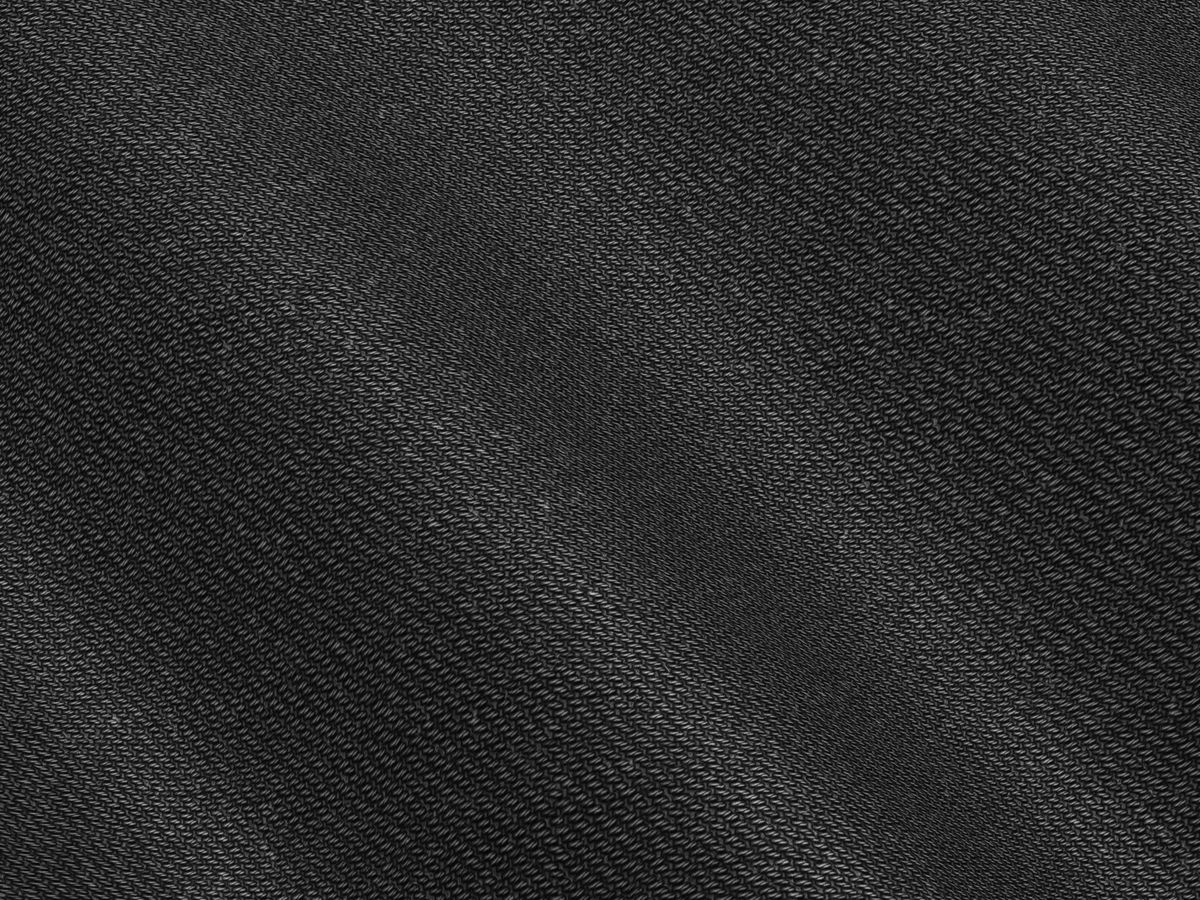
First, prefer a cloth with UV stabiliser rated for 3 to 5 years outdoors. A one-season cloth perishes before it pays for itself. In addition, the type taxonomy sets knitted against woven and the other constructions. The close view below shows the interlocked loops. Those loops give knitted net its tear resistance and its airflow.
Sizing the Net to Your Bed Layout
Sizing a shade net for nursery beds starts with the bed run, not the roll. Measure the bed run and the path width before you order. For example, a 1 m bed with a 0.5 m path is easy to reach from both sides. The cloth must cover the beds plus enough overhang to tie down at the sides. The frame height adds to the side-wall area if you enclose the block. Rolls come in fixed widths. Common widths are 2 m and 4 m, in lengths of 50 m or 100 m. Therefore lay the beds out to suit a width you can buy. Do not cut many narrow strips.
Because the overhang and the side walls both consume cloth, a block that looks small on paper can need a surprisingly long roll once the frame height is added.
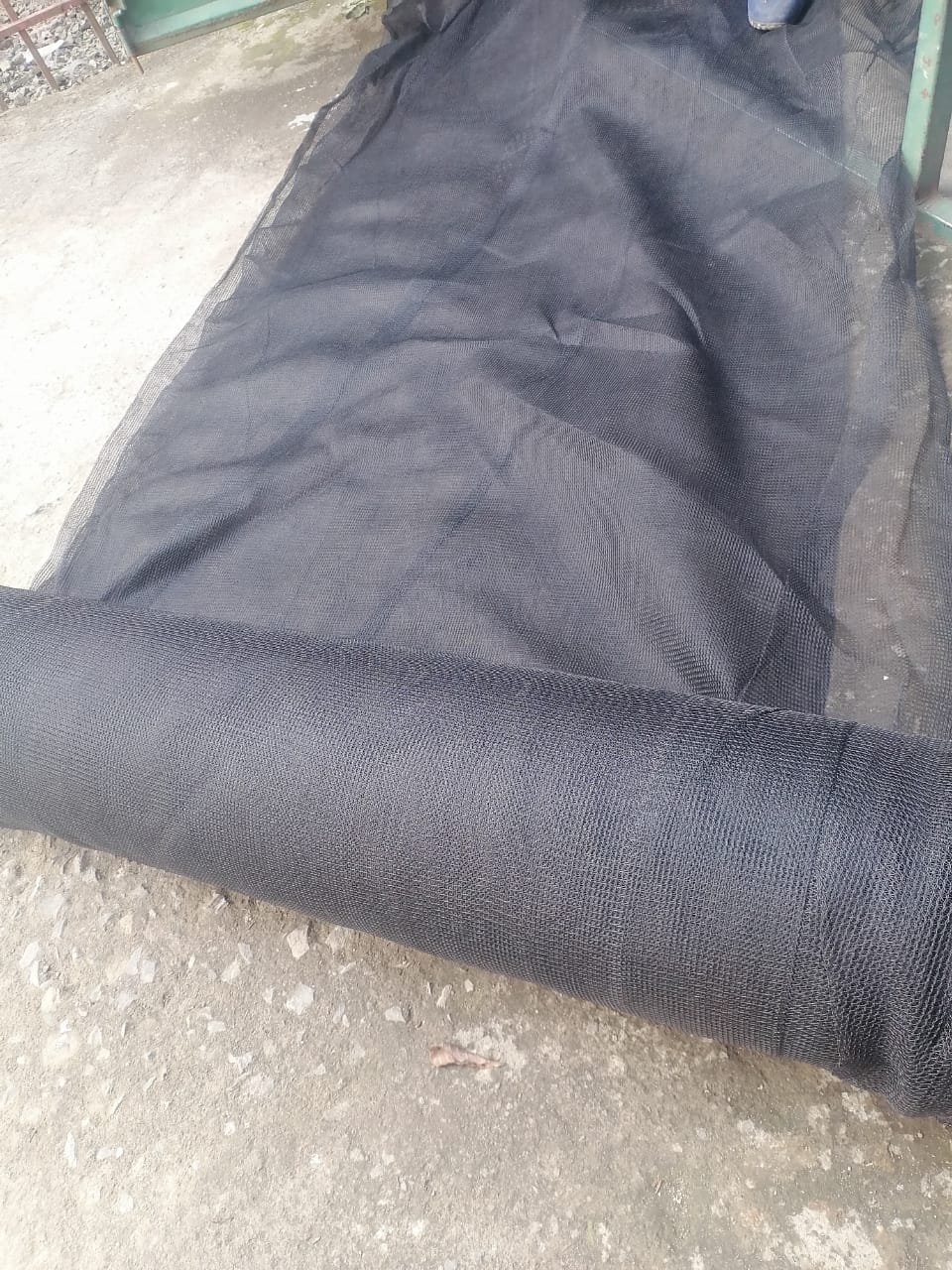
Also add a margin for ties and for future bed extensions. It is cheaper to buy one longer roll now than to join two panels over a bed later. For example, the part-unrolled roll below shows what you are pricing. It is a fixed width, cut to the length your layout needs.
Buying a Shade Net for Nursery Beds: Fitting and Supply
We supply the cloth, the frame fixings and the installation as one job. The net arrives tensioned and at the right height. You do not rig a loose roll yourself. Next, tell us the bed count and dimensions. We then match grade, width and length to the layout, and deliver and fit countrywide. If you already have a frame, we can supply cloth only. We will also specify the tie spacing, typically every 0.5 m. Our supplier checks page lists what to verify before you pay any vendor.
Send the bed count and the metre dimensions of each bed. Add how many weeks old the seedlings are. Note whether you want a single start grade or a step-down set for hardening. From that we price cloth, posts and fixing. Then we deliver and install anywhere in Kenya.
Find the yard on George Morara Road, Nakuru. Write to info@shadenetsuppliers.co.ke or request a written quote through the contact page. Calls and WhatsApp reach the same desk on +254 728 163329. Before you send, skim the full shade net range so your sizes match what we stock. Finally, you can visit the Nakuru counter in person.
Common Nursery Shading Mistakes
- Hanging the cloth too low, so heat pools at leaf level despite the shade.
- Removing all shade at once instead of stepping down, which scorches seedlings in one afternoon.
- Watering on a fixed schedule under shade and drowning beds that dry slower than open ground.
- Buying woven cloth for a windy site and watching cut edges ladder across the panel.
- Skipping the UV rating and replacing a cloth that perished in one season.
A shade net for nursery beds only works if the setup around it is right. Most of these are setup errors, not cloth errors. The broader farm and nursery guide covers shading beyond the seedbed stage. That is once plants are established in the field. Once plants leave the seedbed, whole-farm shading is a different job; our corporate shade net farming guide covers it crop by crop.
Frequently Asked Questions
What percentage shade net suits a nursery bed?
Start a shade net for nursery beds at 75% for sowing and young transplants. Then step to lighter grades as seedlings harden. The 75% start is the common Kenyan nursery practice for the vulnerable stage.
How high should the net sit above the bed?
At least 1.5 to 2 m. That lets air move under the cloth so heat does not pool at leaf level.
When do I remove the shade before transplanting?
Step it down over one to two weeks. End at full sun for the last days. Seedlings then meet field conditions gradually.
Can I reuse the same cloth next season?
Yes if it is UV-stabilised knitted HDPE in good condition. Inspect ties and edges. Replace panels that have perished or torn.
Do you install as well as supply?
Yes. We quote supply and installation together. Or cloth only if your frame is already up.