
A shade net for coffee seedlings guards the most fragile stage of a coffee farm’s life. Coffee is an understory crop by nature, so young plants scorch under open sun long before they are ready for it. Shade first, sun later. Kenyan nurseries therefore raise seedlings under cloth and only plant them out into full sun once established. However, the shading level you choose decides how strong those seedlings are at transplanting. Below: the starting grade, the step-down sequence, and the details to send when you request cloth.
Shade Net for Coffee Seedlings: Start at 75%
Coffee nurseries typically start seedlings under a 75% shade net. That heavy grade mirrors the dappled light a young coffee plant meets on a forest floor, cutting the raw midday sun that tender leaves cannot yet handle. Then, as the seedlings mature and approach transplanting age, the shading comes down in stages. The table below sets out that progression.
| Nursery stage | Shade grade | What the seedling is doing |
|---|---|---|
| Establishment, first weeks after pricking out | 75% | Roots forming; leaves tender and quick to scorch. |
| Growing on, months in the nursery | 50-75% | Stem thickening and leaf area building under lighter cloth. |
| Hardening, final weeks before transplanting | 30-50%, then open | Adapting to field sun in short, increasing spells. |
A grade is the fraction of sun the cloth stops. A 75% cloth therefore passes a quarter of the light through. Start heavy, finish light. Unsure how to read those numbers across crops? The shade net percentage guide explains them crop by crop. For coffee, a shade net for coffee seedlings at the 75% grade is the safe default. The steps down matter just as much.
Why Shade Net for Coffee Seedlings Matters
Three failures show up when coffee seedlings get too much sun too soon. First, leaf scorch: young, tender coffee leaves burn at the margins and turn papery under hard light. Scorch is irreversible. Extension profiles describe coffee as a tropical understory plant that prefers partial shade. It scorches in harsh direct sun (NC State Extension on Coffea arabica). Second, water stress: the small root system cannot replace what full sun pulls from the leaves, and that loss bites hardest during early root establishment. In contrast, shade slows it. Third, weak growth: seedlings raised in full sun from the start come out leggy and thin instead of stocky.
Reducing Shade in Stages Before Transplanting
The step-down is not a single event. Coffee nurseries reduce shading gradually as the seedlings mature. The plant builds tolerance to field sun while it is still protected. Extension guidance says to harden transplants off gradually over a 7-10 day period. Start on a mild or cloudy day (University of Nebraska Extension). Coffee nurseries apply that principle across the final weeks in the nursery: lighter cloth first, then open sky for short spells, then full sun. Instead, go slowly. Rushing it shocks the seedling and sets back the whole block.
Shade Net for Coffee Seedlings as a Shade House
Most coffee nurseries run a shade net for coffee seedlings as a low shade house. It sits over the seedbeds, not as a flat sheet on the soil. The frame carries a roof of shade net and mesh side walls with one door for crews, and that shape keeps the cloth clear of the leaves. Also, air must move. It also breaks the wind that dries seedbeds faster than a shallow root system can refill them.
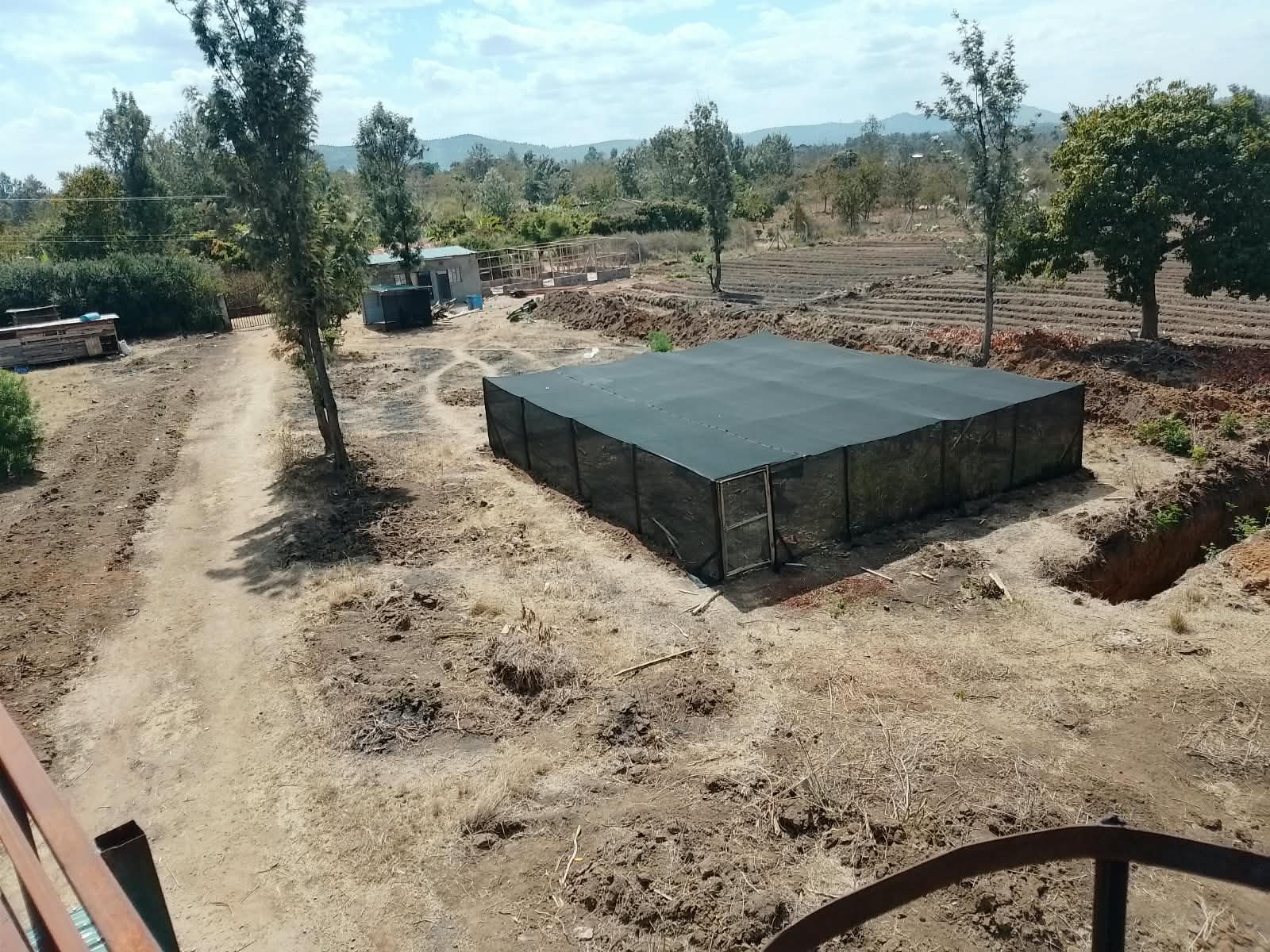
For the general bed mechanics, see our nursery beds and seedlings guide. It covers netting height, morning watering and the hardening schedule for any crop. This page stays with what is specific to coffee. That means the heavy start, the staged step-down and the tender-leaf scorch behind both.
Cloth Choice for a Coffee Nursery
Choose knitted HDPE over woven for coffee seedbeds. Knitted cloth is a looped mesh, so a cut edge stays put and a snag does not ladder into a hole above the plants. Air still drifts through the loops, which stops the house turning humid and stale. Woven tape cloth costs less upfront. Yet once a tear starts it runs the length of the tape, and wind catches the sheet like a sail and strains every fixing. Over tender coffee leaves, the knitted mesh is the cheaper risk.

For a shade net for coffee seedlings, black is the default: it cuts light evenly and adds no colour cast of its own. Green is the option when the frame should disappear into nearby planting. Want the full construction and colour taxonomy before you pick? The different types of shade nets page lays out each construction and colour.
Water and Root Establishment Under Shade
Shade and water work as a pair in a coffee nursery. The cloth cuts the evaporative pull on the leaves. The moisture you give the bed then stays available to the young roots. That matters most in the first weeks after pricking out. The root system is small then, and any dry spell checks growth for months. Water the beds in the cool of the morning and let the shade hold that moisture through the hot hours, so the young roots never run dry. Moisture is the point. A seedling that never wilts under the cloth builds roots steadily instead of spending its energy recovering from stress.
Shade Net for Coffee Seedlings: Sturdier Transplants
The payoff shows at transplanting. Seedlings raised under the right shade and stepped down gradually leave the nursery stocky, with thick stems and leaves that already tolerate field sun. Those plants establish faster in the field and lose fewer leaves in the first weeks. In contrast, seedlings pushed into full sun from the start arrive thin and scorched. They spend their first month recovering instead of growing. Stocky beats leggy. Getting the shading level right is therefore a transplanting decision, not just a nursery one.
Supply, Widths and Fitting for a Coffee Nursery
We stock knitted HDPE in black and green from 30% up to 90% shade, so one order can cover both the heavy start and the lighter hardening cloth. Each roll runs 4 m wide; choose a 50 m length for 200 m² of cover or a 100 m length for 400 m². We cut and join each shade net for coffee seedlings to span your seedbed block, keeping seams off the plants. Expect 3-5 years of outdoor life from the UV-stabilised cloth.
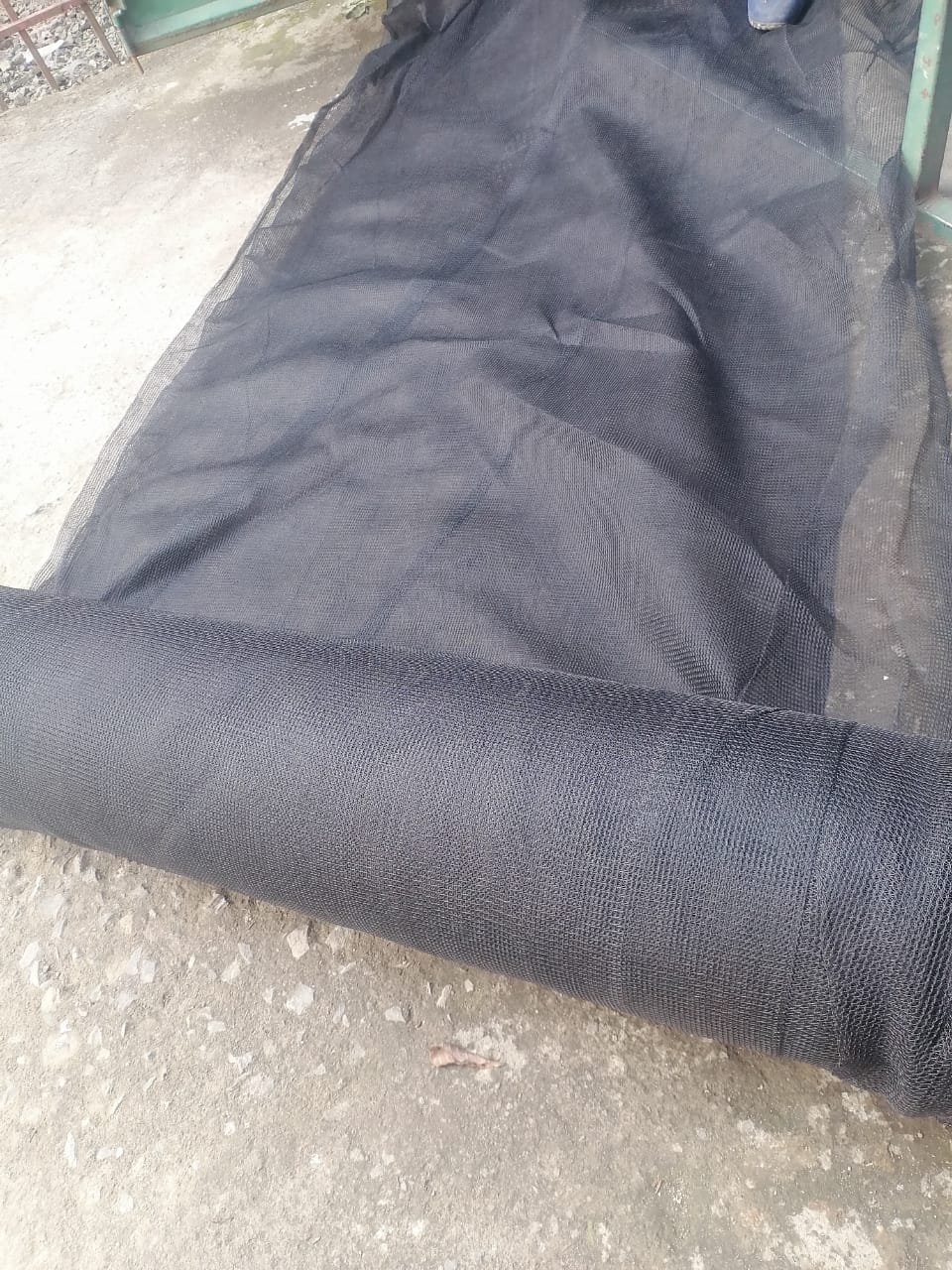
Meanwhile, our crew measures, frames and fits countrywide. Framing and fixing steps live on the shade net installation page; how a quote is assembled is on the shade net prices page. For whole-farm, crop-by-crop shading agronomy beyond the nursery, see the corporate shade net farming guide.
Shade Net for Coffee Seedlings: Frequently Asked Questions
Which shade net for coffee seedlings grade suits the first weeks?
Start at 75% for the establishment weeks after pricking out. That grade protects tender leaves while roots form. Then step to lighter cloth as the seedlings grow on, and to open sky only in the final hardening weeks.
When do I remove the shade net entirely?
In the final hardening weeks, gradually. Reduce the grade in stages and give the seedlings short, increasing spells of open sun before they leave the nursery. Once established in the field, coffee takes full sun; the cloth is a nursery tool, not a permanent cover.
Can I reuse the 75% cloth for the hardening stage?
No. The 75% grade is too heavy for hardening and would keep the seedlings soft. Buy the lighter 30-50% grades for the step-down. The plants then meet the sun they will face in the field.
Does shade net replace watering?
No. Shade reduces the water the sun pulls from the leaves, but the beds still need regular morning watering. The two work together: shade holds the moisture you apply.
Knitted or woven for coffee nurseries?
Knitted HDPE. A cut edge stays put, a snag does not ladder, and air still moves through the loops. Woven cloth tears along the tape and catches wind like a sail, which is a poor trade over tender seedbeds.
Send These Details for a Coffee Nursery Quote
Tell us the number of seedbeds, the block size in metres, and the stage your seedlings are at. Add whether you need the 75% start only or the lighter hardening grades too. With those facts we can specify grades, widths and a fixing method. We then deliver and fit countrywide. Our counter sits on George Morara Road in Nakuru. Email info@shadenetsuppliers.co.ke, or use the contact page for a written quote. You can also phone or WhatsApp the yard on +254 728 163329. Finally, the full shade net range is worth a browse before you write.