
How to choose shade net percentage comes down to one question: what is living or parked under the cloth? The percentage is the share of direct sunlight the mesh blocks. So the right number changes with the crop, its stage and the structure it covers.
Pick too little and the crop takes heat stress at midday. Pick too much and light-hungry plants grow leaf instead of fruit. This guide settles the choice crop by crop, stage by stage and structure by structure. It then lists the four grades we stock and how to order the one that fits.
What the Percentage on a Shade Net Actually Means
It is a light figure, not a strength figure. Specifically, a 50% cloth holds back roughly half of the peak sunlight; a 90% cloth holds back nearly all of it. The number is built into the knit, because tighter loops leave smaller gaps for light to pass. In practice, two rolls can feel identical in the hand yet block very different amounts of sun.
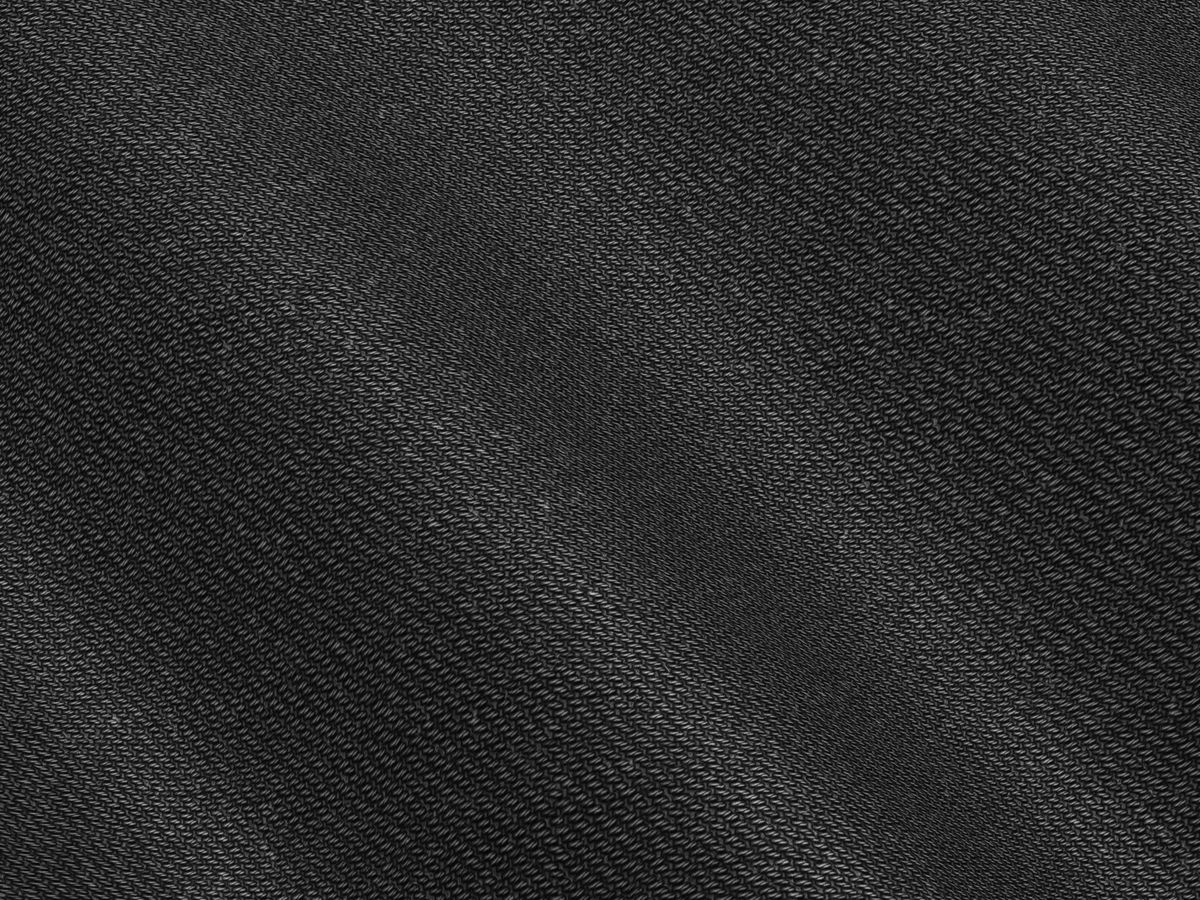
The label is a fair guide to what reaches the crop, because the figure is measured against full sun. However, it is a peak-sun number, not a whole-day average. A grade that feels mild at noon still cuts the softer morning light by the same share. That matters for crops that need every early hour. The close-up below shows where the number lives: in the size of the gaps between loops.
How to Choose Shade Net Percentage by Crop
Start with the crop, because light demand is the first filter. Herbs and delicate ornamentals only need gentle scorch protection, so a light 30% cloth suits them in hot lowland sites. Meanwhile, general vegetables sit in the middle and do well under 50%. Coffee seedlings, strawberries and other heat-sensitive, high-value crops want the heavier 75% while they establish.
Match the crop to the grade, then confirm against the stage below. For example, a tomato block is a heavy fruiting crop, so it runs lighter than its own seedlings. Our tomato shading guide works that exception through. Likewise, flower farms shade for bloom quality, not sheer survival, a different calculation again (flower farm shading).
How to Choose Shade Net Percentage at Each Growth Stage
The same crop wants different shade as it grows. Young seedlings carry shallow roots and no buffer against scorch, so they begin under 75%. As they harden, step the cloth down through 50% and 30% to full sun over one to two weeks. Finally, once plants are established and fruiting, the lighter grade takes over.
First, keep the nursery and the production block on separate grades. Then plan the step-down before you buy, so you own the cloth each stage needs. Our nursery beds guide sets out the hardening schedule in full. The rule here is that the percentage falls as the plant strengthens. That step-down is the heart of how to choose shade net percentage.
How to Choose Shade Net Percentage for Structures
Not every shade net covers a crop. Car parking shades, outdoor seating and livestock housing in very hot regions want near-total sun blocking. That is the 90% grade. Here the goal is comfort and surface temperature, not photosynthesis, so the light-starvation worry that governs crops does not apply.
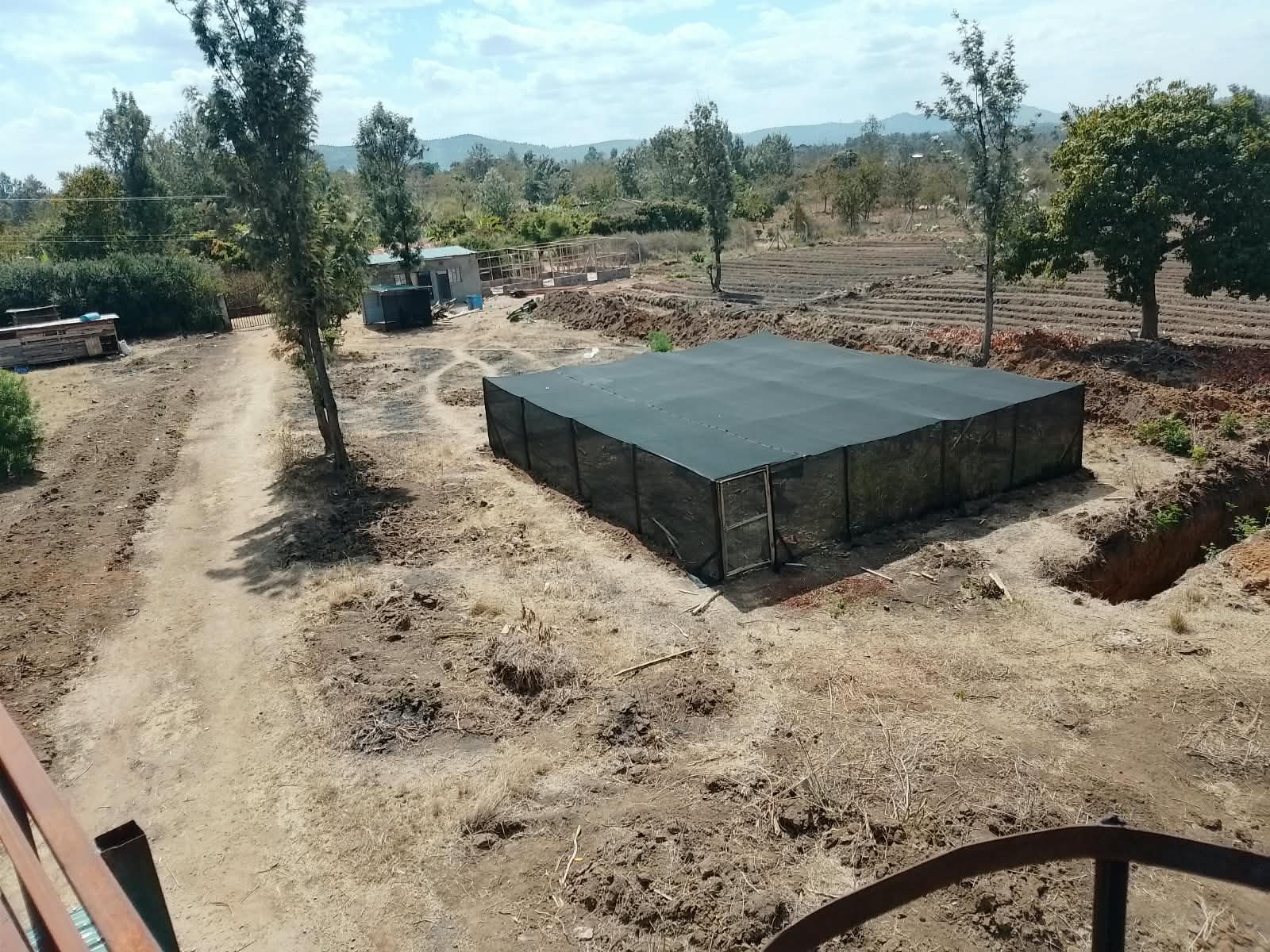
In contrast, a net house over vegetables is a crop structure, so it follows the crop rules above. The photo shows a fitted net house: roof cloth held above the beds with netted walls. That build suits a crop grade, not a deep 90% shade. Raise the roof clear of the canopy so moving air carries heat out instead of pooling on the leaves.
The Four Grades We Stock: 30, 50, 75 and 90
These are the four percentages we keep on the roll. Each has a clear job. Use the table as the short answer to how to choose shade net percentage. The sections above give the reasoning. Every grade links to its own page for widths, lengths and current stock.
| Grade | What it blocks at peak | Best fit | Grade page |
|---|---|---|---|
| 30% | About a third of the sun | Herbs, ornamentals, gentle scorch protection | 30% shade net |
| 50% | About half | General vegetables, nursery beds, light car-park shade | 50% shade net |
| 75% | About three quarters | Seedling propagation, coffee, strawberries | 75% shade net |
| 90% | Nearly all | Parking shades, outdoor seating, livestock housing | 90% shade net |
Too Little Versus Too Much Shade
The two errors pull in opposite directions. Too little shade leaves the canopy above the heat threshold, and tomato pollen turns sticky and nonviable once daytime heat passes about 32°C, or night temperatures hold above 22°C, so flowers fall unpollinated (high temperatures and poor fruit set). Conversely, too much shade removes the light the crop needs to build fruit, and yield falls while leaves look healthy.
Shade also cools. Extension notes shade cloth can lower the surrounding air by around 10°F, close to 6°C. It advises lifting the cloth once temperatures drop (protecting tomatoes in hot weather). Therefore the right percentage is the lightest one that keeps the canopy under the heat threshold at peak. It is not the deepest one available. That single sentence is how to choose shade net percentage in practice.
Knitted Mesh, UV Rating and Reading the Label
Buy knitted HDPE, not woven. The looped knit does not ladder when a tie punctures it. The open loops pass air even at high shade ratings, so the canopy never sits in stagnant, humid air. Woven cloth costs less but holds heat and frays at a cut edge.
Next, check the UV stabiliser rating before you trust the percentage. A cloth guaranteed for 3 to 5 years in the open holds its shade value across seasons. Typically, a budget cloth fades and loosens, so the label no longer matches what it blocks. Our type taxonomy breaks down knitted, woven and the other builds in full.
How to Choose Shade Net Percentage: Mistakes That Cost Yield
- Buying one grade for both nursery and fruiting block.
- Treating the percentage as a strength rating and picking the deepest cloth for a light-loving crop.
- Copying a neighbour’s grade without matching crop, stage or structure.
- Leaving a hot-season grade up through the cool months, when the crop wants every available hour of sun.
- Trusting an unlabelled roll whose shade value nobody can verify.
Ordering the Grade You Chose
We supply cloth, fixings and fitting as one job. Once you know how to choose shade net percentage for your plot, send the crop, its stage and the dimensions. We will confirm the percentage and size the roll, anywhere in the country. If your frame already stands, we can supply the cloth only and mark out the tie points. For the whole-farm plan, our shade net farming guide covers net area, frame choice and cost per square metre.
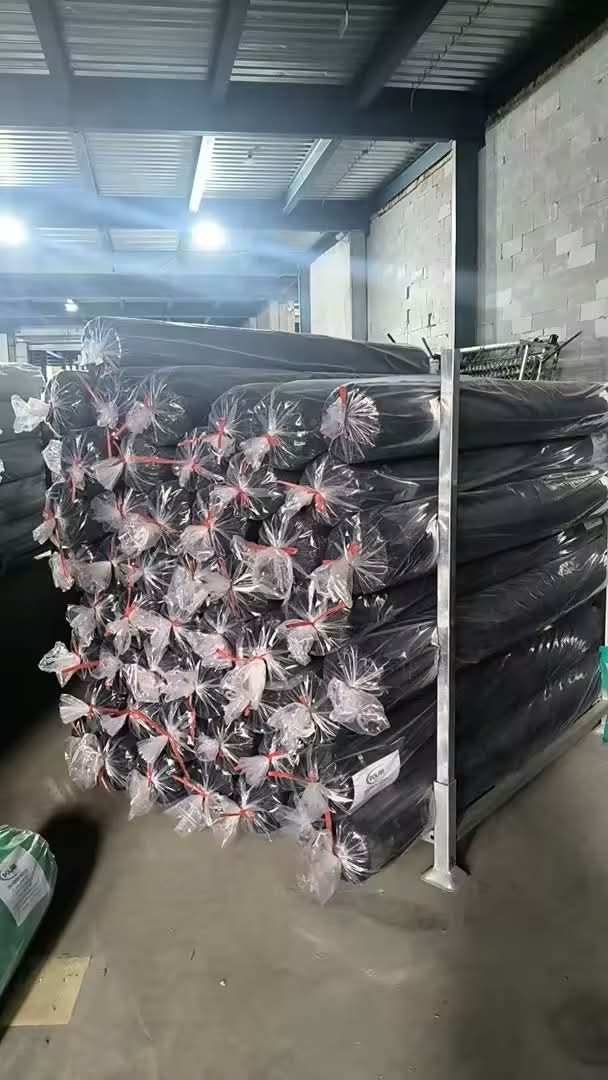
We stock 2 m and 4 m widths cut from 50 m or 100 m rolls. Then tell us the layout and we will match a width we keep, not slice narrow strips. The photo shows stock rolls wrapped and racked, ready to cut to your length.
Email info@shadenetsuppliers.co.ke or phone +254 728 163329. Walk in at our George Morara Road counter in Nakuru, or send the crop and stage through the contact page. Before ordering, browse the full shade net range and the supplier checks so you know what to confirm before paying.
Frequently Asked Questions
What percentage shade net is best for vegetables?
50% for most general vegetables in the open or in a net house. It cuts peak heat without starving the crop. Drop to 30% for herbs and ornamentals that only need gentle scorch protection.
How to choose shade net percentage for seedlings?
Start at 75% for the first weeks, then step down through 50% and 30% to full sun as they harden. Seedlings scorch easily; established plants do not.
Is a higher percentage always better?
No. A deeper cloth blocks more light, which starves fruiting crops. Choose the lightest grade that stops heat stress at peak, not the deepest on the shelf.
What grade suits car parks and livestock housing?
90% for near-total sun blocking on parking shades, outdoor seating and livestock housing in very hot regions. These are comfort jobs, not crop jobs.
Do you help pick the grade and fit it?
Yes. Send the crop, stage and dimensions and we will confirm the percentage. We then supply and fit the cloth, or supply cloth alone if your frame stands.