Shade net is not one product. The different types of shade nets vary by how the cloth is built, what it is made from, its color, and the job it does. Two rolls can look alike on the shelf yet behave differently over a crop. This guide sorts the different types of shade nets into four clear axes so you can name what you need before you ask for a price. Our Nakuru counter stocks the common types and cuts custom widths. The same questions work on any seller.
The Different Types of Shade Nets at a Glance
Buyers usually ask for a percentage first. However, percentage is only one axis. A 50% black knitted net and a 50% green woven net are different products with different handling. Therefore, read the type on four axes: construction, material, color and function. The table below sets them side by side. Then the sections that follow explain each axis and where it matters on a Kenyan site.
| Common types | What it changes | |
|---|---|---|
| Construction | Knitted, woven | How the cloth handles tearing, stretching and fixing |
| Material | HDPE, polyester, aluminet | Weight, UV life, heat reflection |
| Color | Black, green, white, aluminized | Light quality and heat under the net |
| Function | Shade, insect, thermal screen | Whether it meters light, excludes pests, or holds heat |
| Grade | 30 to 90 percent | How much sun the cloth blocks |
For example, a flower bench may need a green knitted shade net at 75%, while a seedling nursery may need a white insect screen instead. The type and the grade are separate decisions. Consequently, name the type first, then pick the percentage.
Different Types of Shade Nets by Construction
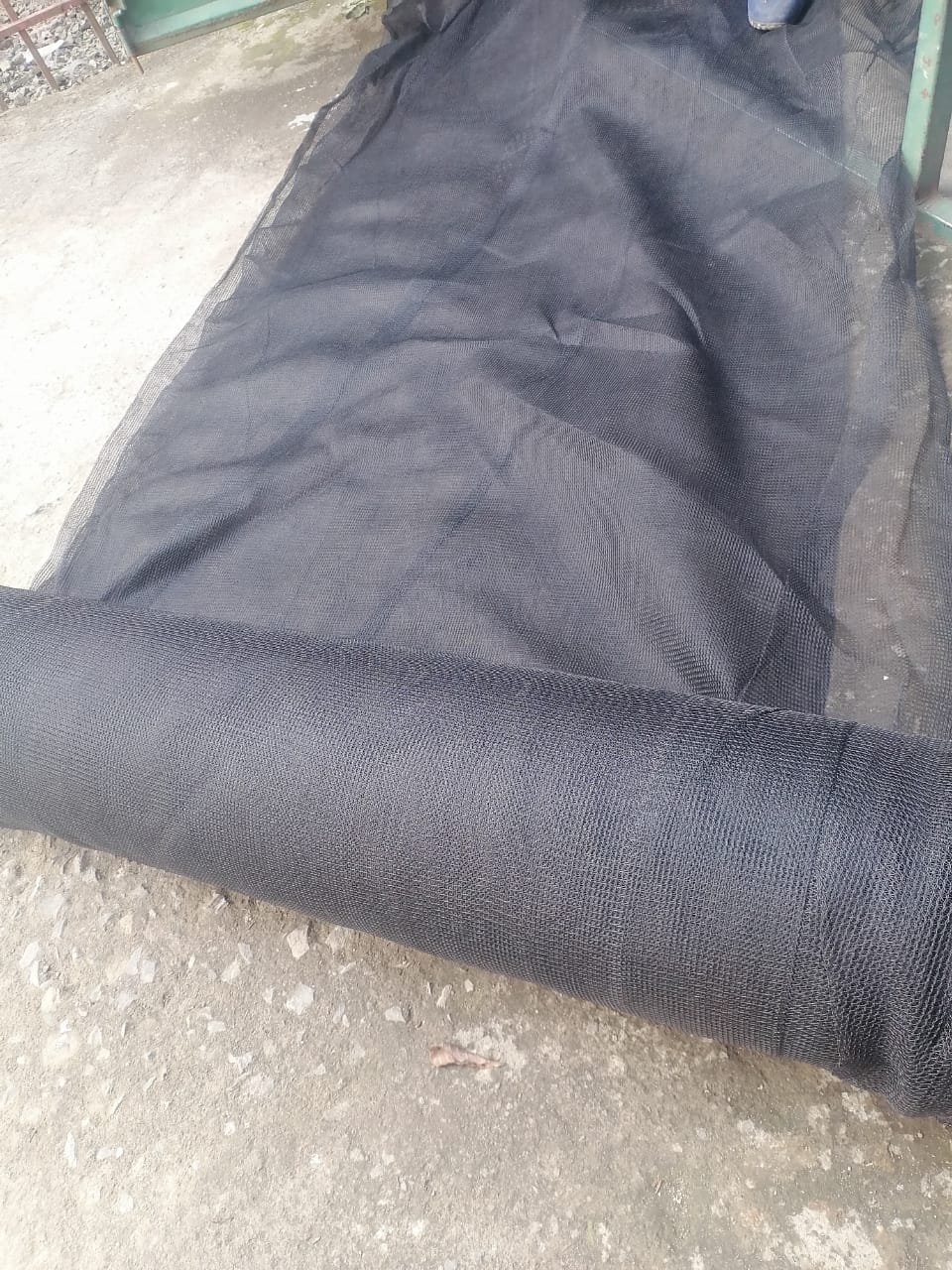
The first split is how the cloth is made. Knitted shade net is looped like a fabric, so the threads interlock. Woven shade net is crossed like a basket, with tapes over and under. In practice, knitted cloth resists unraveling: a cut or a tear stays local because the loops hold each other. Woven cloth is stiffer and can ladder if a tape breaks. Therefore knitted net is the common choice for farms and net houses, where wind and fixing put stress on the cloth.
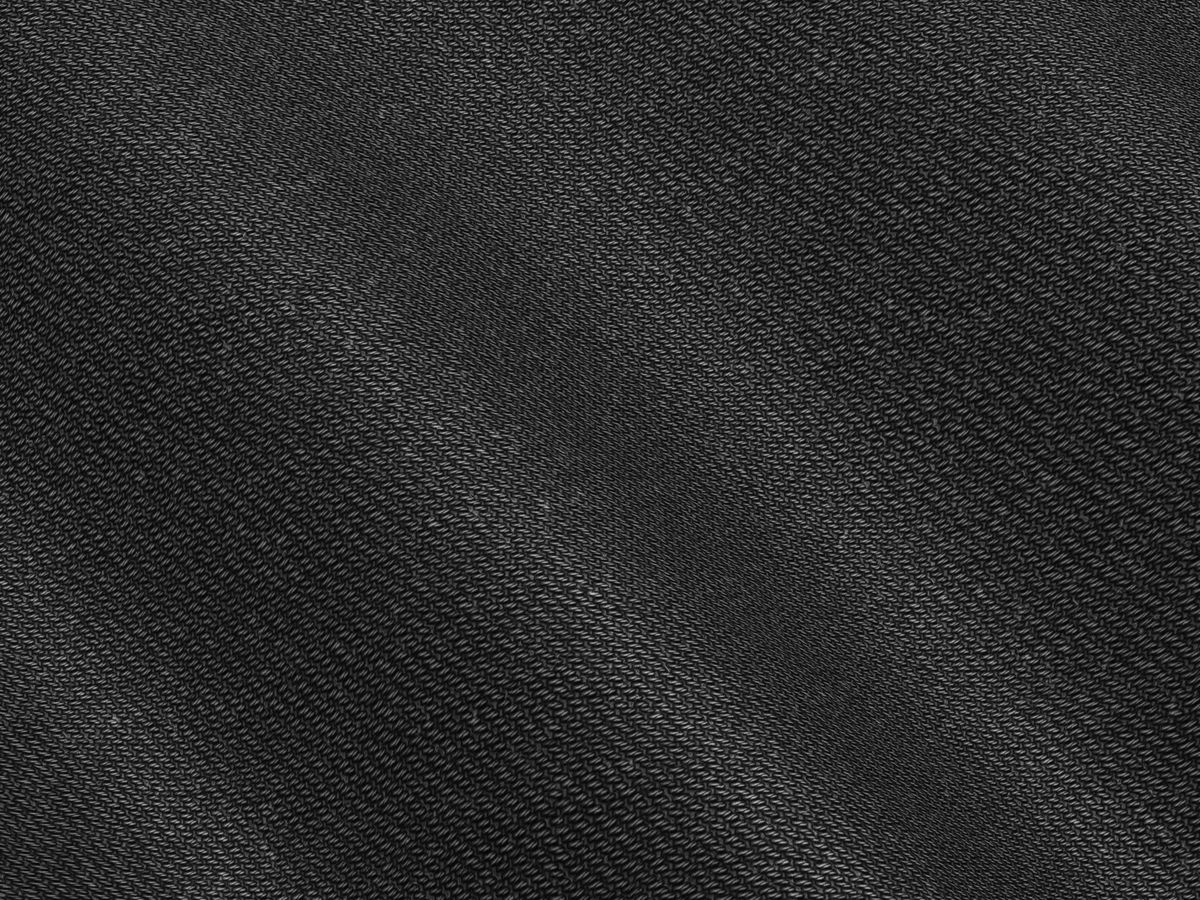
In addition, construction changes how you fix the net. Knitted cloth has a little give, so it tensions evenly on a frame. Woven cloth is dimensionally stable but less forgiving at the edges. Specifically, ask the supplier which construction a roll is, because the two are sold at similar prices and look alike from a distance. Our shelf is knitted HDPE for the farm and net-house work.
Material Types: HDPE, Polyester and Aluminet
The second axis is the polymer. Most agricultural shade net is high-density polyethylene, or HDPE, with UV stabiliser added. HDPE is light, cheap and sheds water, which suits open farms. Polyester shade cloth is heavier and holds its shape, so it appears in retractable screens and some greenhouse systems. Aluminet is a reflective aluminized screen that bounces light and heat rather than absorbing it. However, aluminet and polyester cost more and are not always stocked locally.
For most Kenyan buyers, HDPE is the practical default. It carries a UV rating that sets its outdoor life. Our HDPE cloth is rated for three to five years outside. Consequently, when you compare quotes, compare the UV rating and the weight, not only the price per metre. A cheap net with weak stabiliser fails in a season, whatever its type.
Different Types of Shade Nets by Color
Color is the third axis, and it changes the light and heat under the cloth. Black net absorbs light and gives neutral, even shade; it is the workhorse for vegetables and net houses. Green net blends with foliage and is popular on flower farms and estates. White net reflects light and keeps the crop cooler, so it suits tender seedlings and some blooms. Aluminized net reflects strongly and is used where heat, not just light, is the problem.
In contrast, the same structure can carry two colors at once. A net house may use a green roof to blend in and black sides for tougher wear. The photo below shows exactly that pairing on one frame. Therefore color is a per-surface decision, not a single choice for the whole project.
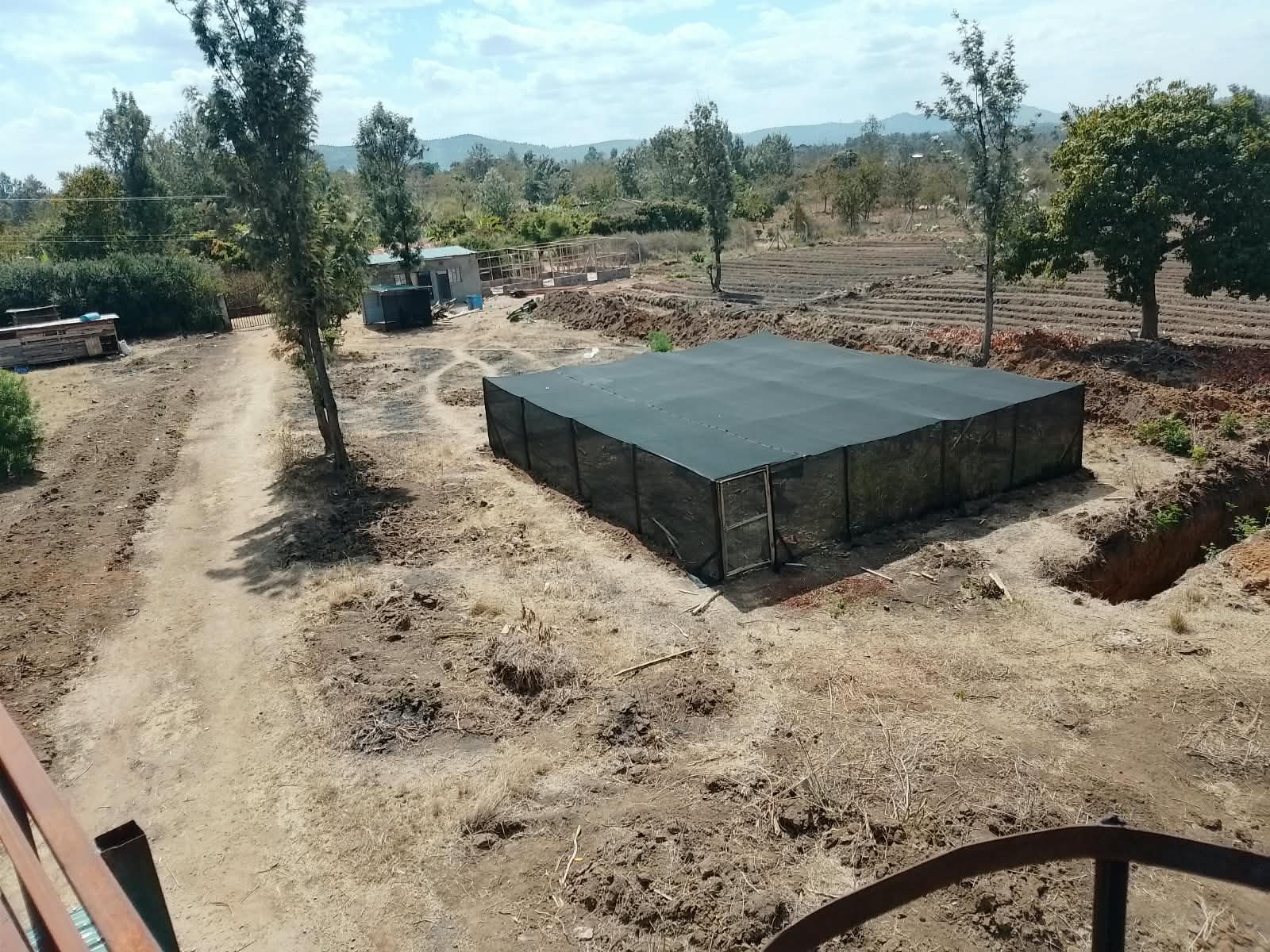
Our shelf carries black and green as standard. White and aluminized are available on request for the jobs that need them. Similarly, custom widths are cut for odd spans, so the color you choose is not limited to a fixed roll.
Different Types of Shade Nets by Function
The fourth axis is the job. A shade net meters sunlight and cuts heat. An insect net uses a fine mesh to exclude pests but blocks little light. A thermal screen holds warmth at night and is a greenhouse tool, not a field shade. These are different cloths, although buyers often lump them together. Therefore do not buy shade net expecting pest control, or insect net expecting shade.
For the full distinction between the two common cloths, read shade net vs insect net. If pest exclusion is part of your plan, see insect nets for farms and greenhouses. A flower house often combines a shade roof with insect-net sides; neither cloth replaces the other.
Shade Percentage: One Axis, Not the Whole Type
Grade is the axis most buyers know, but it is only one of the five that separate the different types of shade nets. A grade tells you what fraction of sunlight the cloth stops. Our shelf runs 30, 50 and 55 percent, then 70, 75 and 90 for heavier shade. A light grade suits heat-loving fruit crops; a heavy grade suits flowers and seedlings. However, the same percentage in a different color or construction is a different product. Consequently, pick the type first and the grade second.
Use the percentage chooser to match grade to crop. Each grade also has its own page for a quick spec check: the 30% shade net page, the 50% shade net page, the 75% shade net page and the 90% shade net page. Most fruit and vegetable crops do well under 20 to 40 percent shade, per Utah State University Extension, which is the 30% net on our shelf.
Matching a Type to Your Crop and Site
Once the axes are clear, match the different types of shade nets to the crop. For open-field vegetables, a black knitted HDPE net at a light grade is the usual answer. For flower farms, green knitted net at a heavier grade keeps blooms from scorching; see shade net for flower farms. For nursery beds and seedlings, a lighter, cooler cover helps; read nursery beds and seedlings. For the wider farm picture, the storefront’s shade nets for agriculture and horticulture guide goes deeper on grade-by-crop.
In addition, the site changes the type. A windy ridge needs a knitted cloth that tensions well and a closer fixing spacing. A hot lowland site may favor a reflective or white cover. Therefore share the crop, the stage and the site heat with the supplier, and let the type follow from those facts rather than from the biggest number on the roll.
What to Confirm Before You Order a Type
A price on the shelf and a written project quote cover different things, and the different types of shade nets price differently. Before you commit, confirm the construction, the material and UV rating, the color, the grade, the roll size and the quantity. Standard rolls are 4 m wide in 50 or 100 m lengths, and custom widths are cut for odd spans. Then confirm whether the price covers netting only, or framing, fittings and labour as well. For rates, see shade net prices in Kenya.
If a frame is not built, say so early. The installation team can then confirm what the site needs; see the shade net installation page. Similarly, a buyer netting an existing structure should describe roof and sides separately, because the two surfaces may take different colors or grades. That keeps supply distinct from construction work.
Different Types of Shade Nets: Our Counter
Accordingly, we stock the common types so you can compare them in person. The shelf carries black and green knitted HDPE in grades from 30 to 90 percent, with custom widths cut for odd spans. Every written quote names the construction, material, color and grade, plus roll size, UV rating, delivery and fitting. Delivery runs countrywide from Nakuru; the crew that fits the net is the same one that supplies it.
Buying locally? Start at where to buy shade nets in Nakuru. Grade definitions live on the shade net specification hub. And for whole-farm planning, the corporate shade net farming guide covers the agronomy.
Frequently Asked Questions
What is the difference between knitted and woven shade net?
Knitted cloth interlocks loops, so a tear stays local and the net tensions evenly. Woven cloth crosses tapes, is stiffer, and can ladder if a tape breaks. Therefore knitted HDPE is the common farm and net-house choice.
Does the color of shade net matter?
Yes. Black gives neutral shade, green blends with foliage, white reflects and cools, aluminized reflects heat. In practice, choose color per surface and per crop, not as one choice for the whole project.
Do you stock white or aluminized shade net?
Black and green are standard on the shelf. White and aluminized are available on request for the jobs that need them. Confirm lead time and width when you ask, because they are not always in stock.
Is insect net a type of shade net?
No. Insect net excludes pests with a fine mesh but blocks little light; shade net meters light. They are different cloths for different jobs, although a house may use both. Confirm each job separately.
Which percentage should I choose?
Fruit and vegetable crops usually start near 30%; flowers and seedlings take 50 to 75%. Treat these as starting points and confirm against your crop, site and season. A higher percentage is not automatically better.
Send These Details for a Quote
Reach the counter on +254 728 163329 (call or WhatsApp), or write to info@shadenetsuppliers.co.ke. We are on George Morara Road, Nakuru, Kenya. Send a quote request naming the type, the grade, the area and whether you want fitting.
Bring the crop and the site details, and leave with a quote that names the exact type you are buying. That is the point of sorting the different types of shade nets first: the quote then matches the cloth, not just a number.